Exploring Opportunities in Wind Energy Investments
The transition to renewable energy is not just a necessity but an opportunity for both individuals and businesses to have a positive impact and gain economically. Among the various sources of renewable power, wind energy stands out for its reliability and effectiveness in reducing carbon footprints. This blog post delves into the fundamentals of wind energy, its relation to solar energy, the evolution of wind turbines, and the critical investment opportunities and challenges. As we unpack each aspect, we will provide readers with insights needed to navigate the dynamic landscape of wind energy investments.
What is Wind Energy?
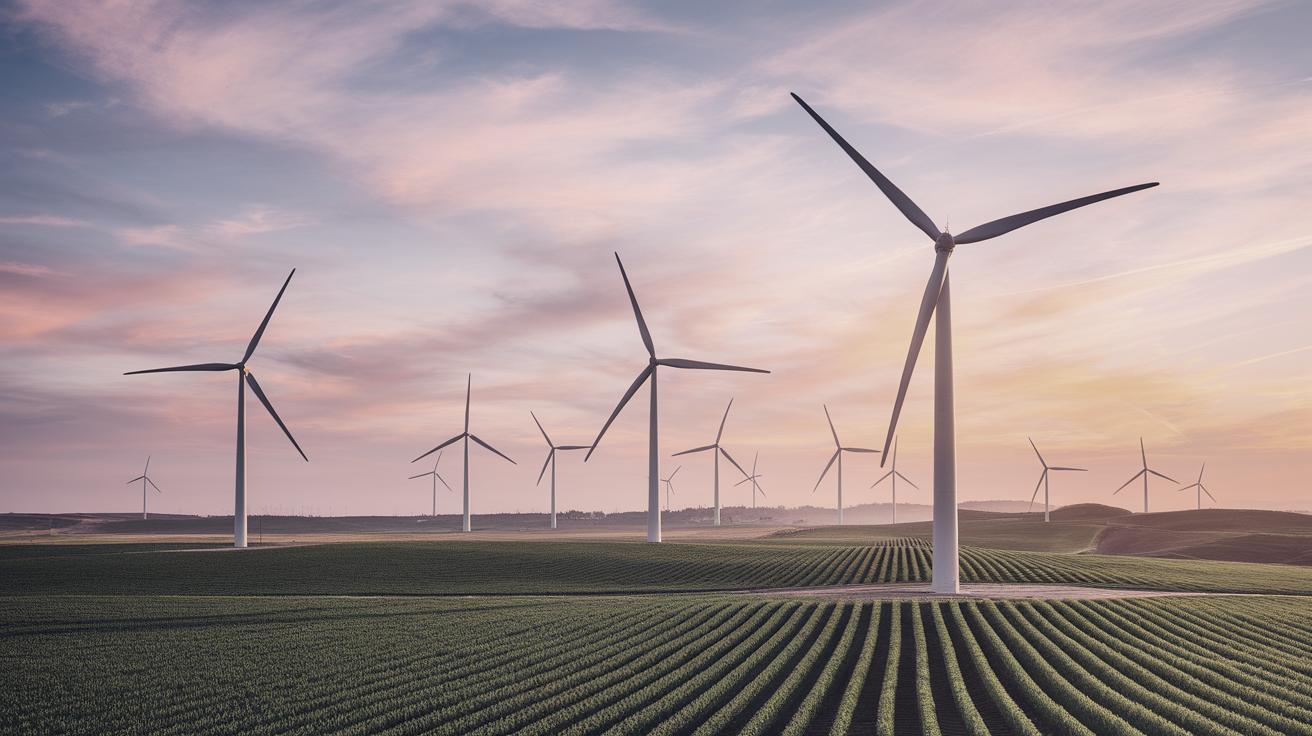
Wind energy, derived from the natural movement of air, is harnessed using wind turbines to generate electricity. The process begins with wind turning the blades of a turbine around a rotor, which is connected to a main shaft that spins a generator to create electricity. This form of energy is inexhaustible and reduces dependency on fossils fuels, positioning it as a key player in mitigating climate change.
The history of wind energy dates back centuries, with its use originally focused on mechanical tasks like pumping water and milling grain. Today, technological advancements have allowed for more efficient energy conversion, making wind energy a viable option for mass power production across the globe.
How Wind Energy Differs from Solar Energy and How Wind Power Can Complement Solar Power
While both are renewable energies, wind and solar power differ significantly in how they harness natural resources. Wind energy capitalizes on air movement, whereas solar energy captures sunlight through photovoltaic cells. These methods have different applications and can suit a variety of geographical landscapes and energy demands.
In terms of operation, wind power can be more constant, depending on location, whereas solar power is limited to daylight hours. When combined, these two can even out fluctuations in energy generation, offering a more stable supply system, particularly in areas prone to seasonal or daily variations in weather.
How Wind and Solar Can Work Together:
The synergistic potential of wind and solar power is immense. By integrating them into a unified grid, energy systems can leverage the abundance of solar radiation during the day and harness wind currents during the night. This combination provides a reliable and continuous energy supply, minimizing downtime and reducing the need for storage solutions.
Moreover, joint ventures in wind and solar projects open up new avenues for innovation and efficiency in energy technology. As researchers develop hybrid systems and energy management software, the barrier to achieving an uninterrupted renewable energy supply diminishes. Such innovation encourages utility companies to invest in diversified energy portfolios that include both sources.
The Evolution of Wind Turbines
Advantages of Wind Power
The evolution of wind turbines has drastically altered their efficiency and capacity. Modern turbines are equipped with sensors and control units that optimize performance and maximize energy capture even with variable wind speeds. The result is a drastic reduction in the cost of energy production per kilowatt-hour, making wind power competitive with traditional energy sources.
Furthermore, the scalability of wind turbines makes them suitable for both large-scale wind farms and smaller, community-driven projects. Wind turbines can now generate power in both onshore and offshore environments, expanding their applicability to a wide range of geographical settings.
Challenges of Wind Power
Despite their benefits, wind turbines also face several challenges. Initial investment costs can be high due to technology and installation expenses. Additionally, wind variability can lead to unpredictable energy generation, potentially requiring supplemental infrastructure to ensure a stable energy supply.
Environmental concerns such as noise pollution and impacts on bird populations also pose significant challenges. Continued innovation in turbine design and site placement is crucial to resolving these issues and reducing the environmental footprint of wind farms.
Opportunities in Investing in Wind Energy
The increasing global shift towards sustainable energy presents lucrative opportunities for investment in wind energy. Governments worldwide are setting ambitious renewable energy targets, backed by financial incentives and subsidies for wind power projects. These policies can bolster investor confidence as they mitigate risks and ensure stable returns.
Additionally, the decline in manufacturing and installation costs of wind turbines has made it more affordable for investors to enter the market. Investments in offshore wind developments are particularly promising due to the higher wind speeds and the larger amounts of energy generated offshore compared to onshore equivalents.
Challenges of Investing in Wind Energy
Investing in wind energy, while promising, does come with its own set of challenges. Regulatory hurdles and the need for long-term planning can delay project timelines, impacting return on investment. Navigating these procedures requires an understanding of local and international policies concerning renewable energy projects.
Moreover, fluctuating market dynamics and competition with other energy sectors can affect pricing and demand. Investors must carefully assess market conditions, technological advancements, and long-term sustainability before committing financial resources to wind projects.
Final Thoughts…
The potential for growth in the wind energy sector is vast, but it requires informed decision-making and strategic planning. As part of a diversified renewable energy portfolio, wind energy offers a sustainable, scalable, and effective means to reduce greenhouse gas emissions and contribute to global energy needs. Investors, as well as stakeholders across the energy spectrum, must continue to foster innovation, address challenges, and seize opportunities to pave the way for a greener future.
About Rodller.
Rodller is a pioneering company in the renewable energy industry, with a focus on advancing wind power technologies. Dedicated to fostering sustainable energy solutions, Rodller collaborates with investors, researchers, and policymakers to create impactful wind energy projects worldwide. Through continual innovation and commitment to environmental stewardship, Rodller is at the forefront of driving the transition to a cleaner and more sustainable energy landscape.
| Topic | Summary |
|---|---|
| What is Wind Energy? | An explanation of wind energy, its operation, and historical context. |
| Difference from Solar | Comparison of wind and solar energy, and how they complement each other. |
| Wind and Solar Synergy | How wind and solar can work together for stable energy supply. |
| Evolution of Wind Turbines | Advances in technology improving efficiency and reducing costs. |
| Investment Opportunities | Potential for financial return, spurred by government incentives. |
| Investment Challenges | Regulatory issues and market dynamics that may affect investments. |