Implications of Decentralized Energy Systems
Decentralized energy systems are rapidly reshaping the way we think about and utilize energy. Unlike traditional centralized power plants, decentralized systems focus on local energy production, distribution, and consumption, often incorporating renewable sources like solar and wind. This shift in energy infrastructure presents diverse implications, ranging from challenges in management and integration to vast opportunities for sustainability and community empowerment. This blog post delves into these dimensions, examining the hurdles decentralized energy systems face, alongside the potential benefits they offer. Additionally, the role of digital solutions like FAT FINGER in optimizing these systems will be explored, underscoring technology’s impact on energy evolution.
Challenges of Decentralized Energy Systems
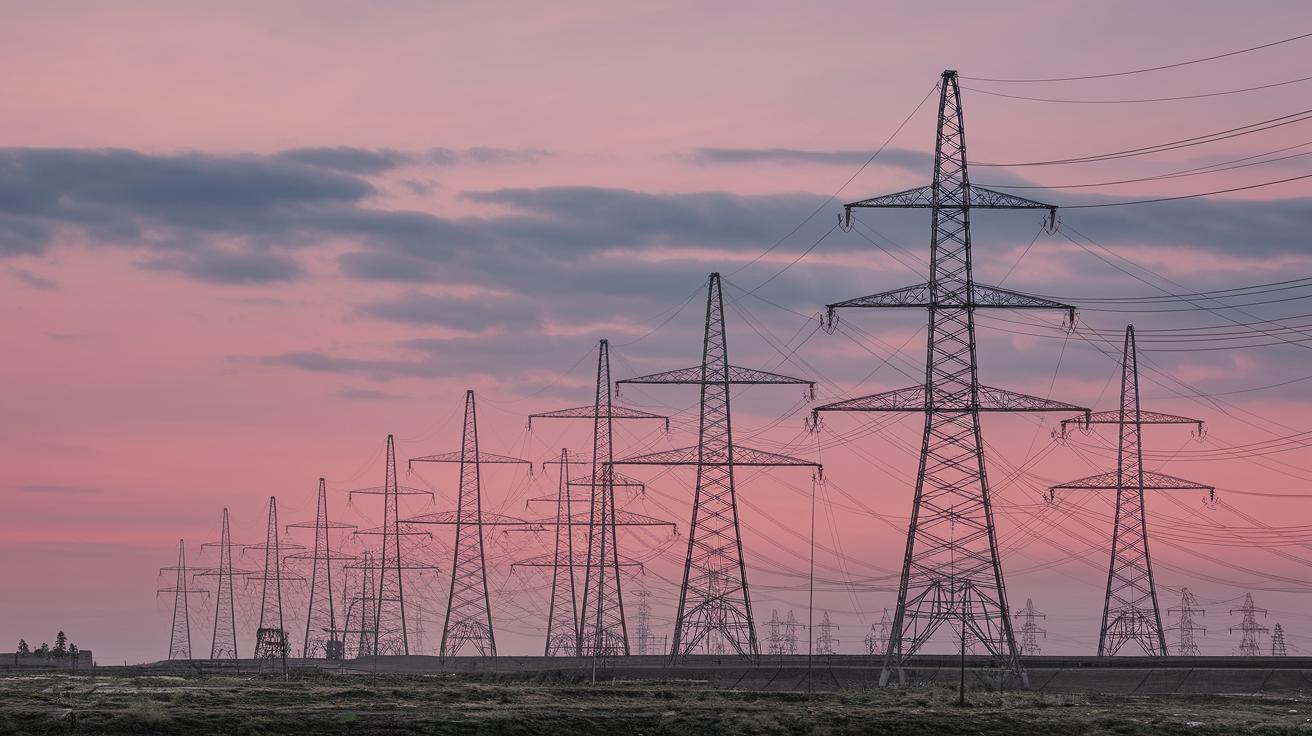
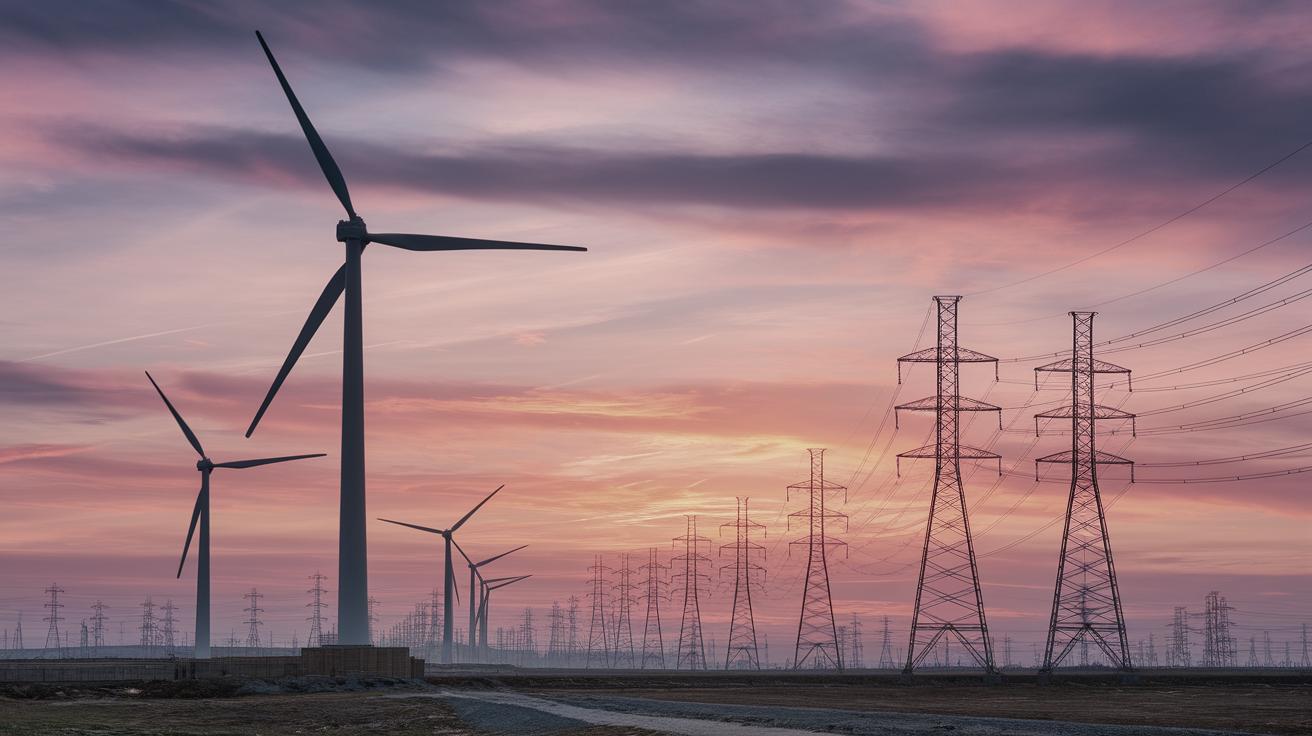
Decentralized energy systems, though innovative, present a myriad of challenges that must be addressed to achieve their full potential. One major issue is the complexity of integrating diverse and distributed energy sources into existing power grids. As more renewable energy sources like solar panels and wind turbines are implemented at a local level, energy networks face increased pressure to maintain grid stability and supply security. This requires significant investment in infrastructure and smart grid technologies that can support bidirectional energy flows and dynamic demand management.
In addition to technical hurdles, decentralized energy systems also grapple with regulatory and policy challenges. Current energy regulations often favor centralized power generation, complicating the deployment of local and community-based solutions. Policymakers need to adapt legal frameworks to accommodate and encourage decentralized models, ensuring that incentives and subsidies align with the evolving energy landscape. This transformation involves crafting policies that promote grid accessibility, equitable pricing, and support for innovation in energy technology.
Opportunities of Decentralized Energy Systems
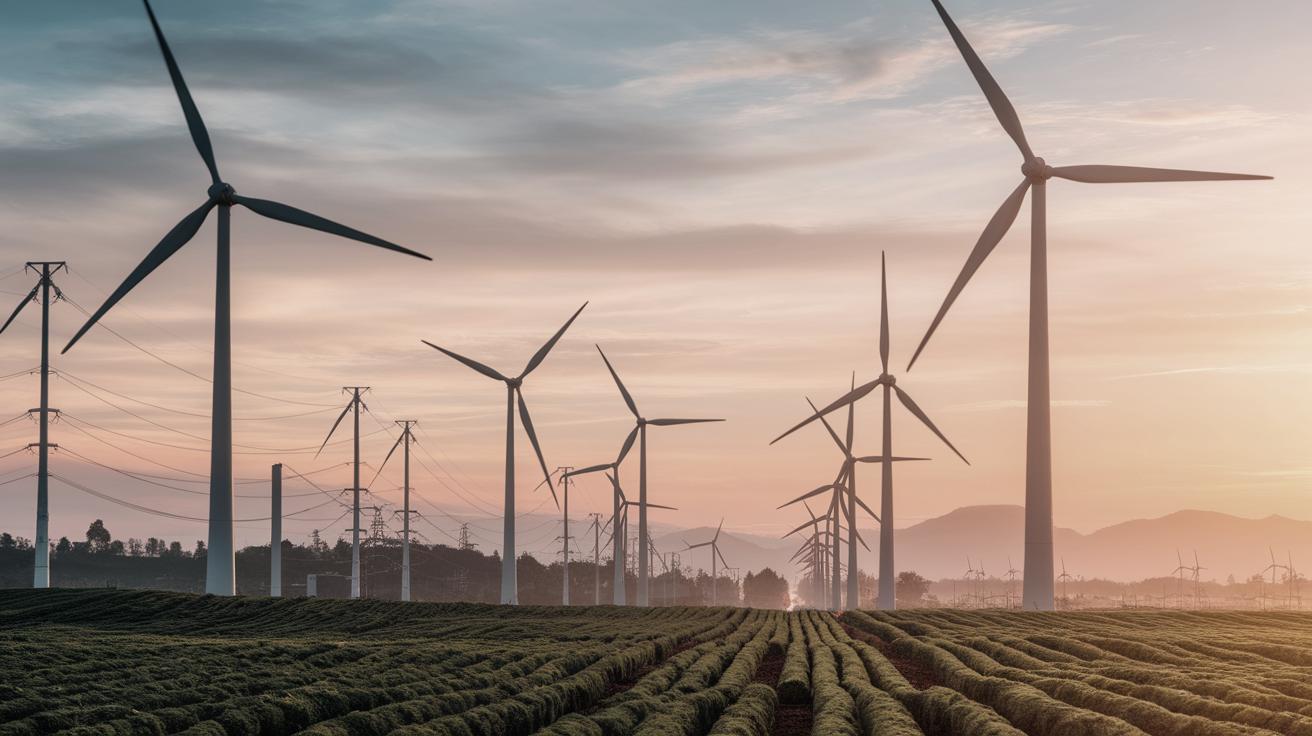
Despite the challenges, decentralized energy systems present significant opportunities, particularly in enhancing energy security and resilience. By localizing energy production, communities can reduce their dependency on distant power plants and fossil fuels, making them less vulnerable to disruptions such as natural disasters or geopolitical conflicts. This autonomy can lead to more stable energy supplies and potentially lower costs for consumers as local energy markets become more competitive.
The environmental benefits of decentralized energy systems are equally compelling. By emphasizing renewable energy sources and reducing transmission losses, these systems contribute to a noticeable decrease in carbon emissions and other pollutants. Moreover, by encouraging energy-efficient lifestyles and technologies, decentralized systems can foster a culture of sustainability and environmental awareness. The transition also opens up new economic opportunities, promoting green jobs and local investment in energy projects that can stimulate economic growth.
The Role of FAT FINGER in Decentralized Energy Systems
FAT FINGER, a digital solution designed to streamline processes and improve operational efficiency, plays a significant role in enhancing decentralized energy systems. By digitizing workflows and enabling real-time data capture, FAT FINGER helps optimize the maintenance, monitoring, and management of local energy assets. It allows energy producers and operators to quickly identify and address issues, thereby minimizing downtime and ensuring more reliable and efficient energy generation and distribution.
Moreover, FAT FINGER supports data-driven decision-making, offering insights into performance metrics and operational anomalies. This capability is invaluable for decentralized energy systems, where the integration of various energy sources and technologies must be seamless to maximize efficiency. By leveraging such digital tools, stakeholders can enhance the operational resilience and scalability of decentralized energy infrastructures, ultimately leading to greater adoption and success of these systems globally.
Summary of Main Points
| Section | Summary |
|---|---|
| Challenges of Decentralized Energy Systems | Complex integration with existing grids and regulatory hurdles require technical upgrades and policy changes to support decentralized models. |
| Opportunities of Decentralized Energy Systems | Offer enhanced energy security, environmental benefits, and economic growth by increasing local energy production and competition. |
| The Role of FAT FINGER in Decentralized Energy Systems | Digital tools optimize operations and facilitate seamless integration of energy assets, improving efficiency and decision-making. |