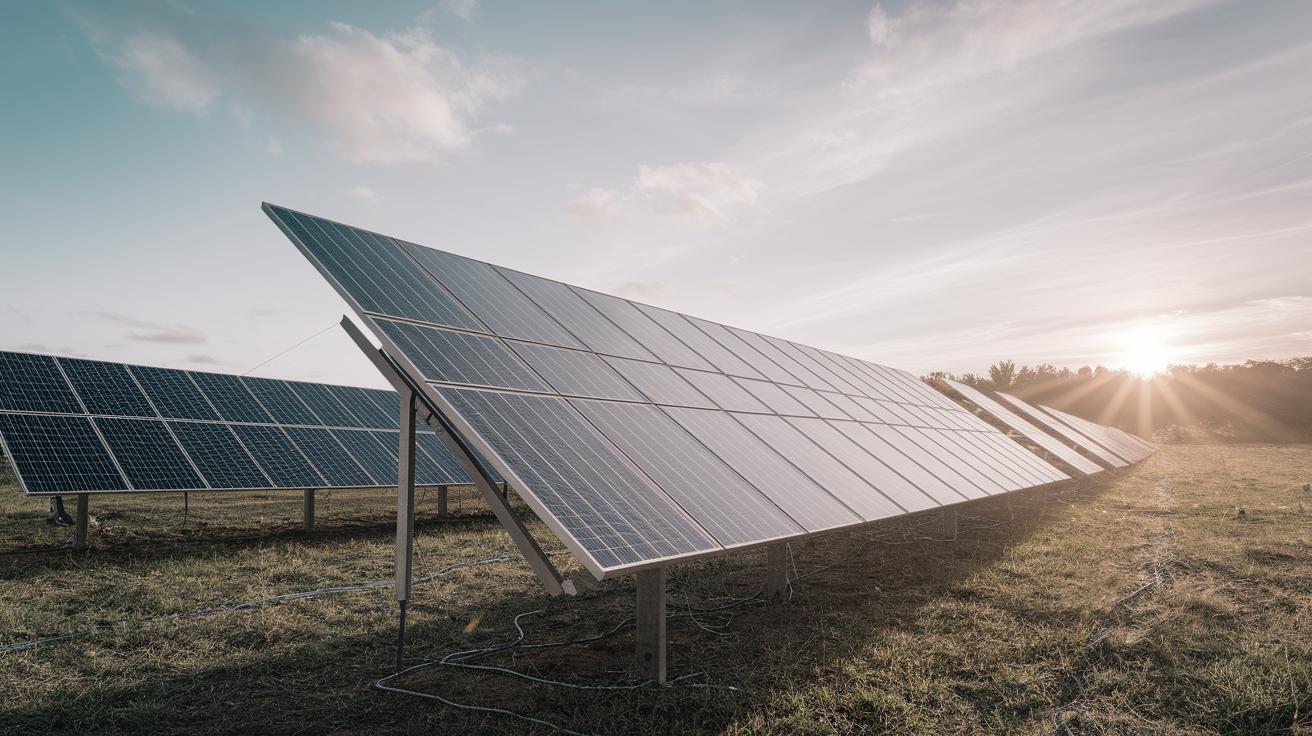
Innovations in Off-Grid Solar Technologies
As the global demand for renewable energy continues to surge, advancements in off-grid solar technologies are playing a pivotal role in meeting energy needs sustainably. This blog post explores the latest innovations sweeping through the solar industry, enhancing efficiency, versatility, and accessibility. From breakthroughs in solar panel designs and manufacturing to the integration of smart technologies and energy storage solutions, we delve into how these innovations are shaping the future of off-grid solar power. Whether it’s the promise of tandem perovskite solar cells or the aesthetically pleasing transparent panels, these advancements represent a quantum leap in solar technology. Join us as we navigate these fascinating developments, providing a comprehensive overview of how off-grid solar solutions are becoming more efficient, cost-effective, and adaptable.
Efficiency Skyrockets With New Solar Panel Technologies
Recent advancements in solar panel technologies have significantly boosted efficiency levels, which is instrumental in unlocking the full potential of solar power for off-grid applications. Researchers have been pushing the boundaries of photovoltaic technology, striving for higher performance metrics by experimenting with new materials and cell designs.
Innovations such as multi-junction cells utilize various materials to capture different wavelengths of sunlight, thus increasing overall energy conversion rates. This breakthrough allows solar panels to break past traditional efficiency barriers, making them more viable for a broader array of applications in remote and off-grid locations.
Manufacturing Advancements With Perovskite Solar Cells
The Promise of Tandem Solar Cell Designs
Perovskite solar cells have emerged as a transformative technology within the solar industry, primarily due to their high efficiency and low manufacturing costs. These cells are particularly promising when used in tandem designs, where layers of perovskite are combined with traditional silicon to harness sunlight more effectively.
Tandem solar cells capitalize on the strengths of both materials, surpassing the efficiency of single-material solar cells. As researchers refine these designs, the potential for mass adoption in off-grid projects becomes increasingly tangible, offering significant gains in energy production capabilities.
Recent Announcements in Perovskite Research
Exciting advancements in perovskite research have seen numerous announcements revealing efficiency milestones and enhanced stability. Notably, innovations in synthesis and coating techniques have brought us closer to commercial-scale production, where these groundbreaking cells could soon reshape the market.
Efforts to address stability issues, which have traditionally plagued perovskites, are yielding promising results with the development of new encapsulation materials and structures. These updates help protect the cells from environmental factors, ensuring durability and reliability in off-grid environments.
Remaining Challenges
Despite the rapid progress, several challenges remain for perovskite solar cells, particularly regarding long-term stability and environmental impact. Researchers are actively seeking solutions to reduce the presence of toxic elements and improve lifespan.
As these obstacles are overcome, it is expected that perovskite solar cells will transition from research labs to practical applications, where they can support a wider range of off-grid energy projects across diverse settings.
Bifacial Solar Panel Technology Harnesses More Sunlight
Pros & Cons of Bifacial Solar Panel Technology
Bifacial solar panels, which capture sunlight on both sides, represent a significant leap forward in maximizing energy capture. This design is advantageous for off-grid settings where space and sunlight conditions vary, allowing for reduced reliance on traditional configurations.
While the dual-sided technology offers improved efficiency, it requires careful installation to maximize its benefits. Furthermore, these panels can be more expensive and prone to limitations based on geographical positioning, necessitating strategic planning for optimal deployment.
Solar Panel Technology Becomes Flexible and Lightweight
Flexibility and lightweight designs are becoming key attributes of new solar panel innovations, particularly beneficial for off-grid and portable applications. Organic photovoltaic cells and rollable panels offer unprecedented versatility, allowing installations on varied surfaces and in remote areas.
The reduced weight makes these panels easier to transport and install, minimizing logistical challenges. These flexible panels are expanding the possibilities for off-grid energy solutions, especially in rugged or uneven terrains where traditional panels are not feasible.
Optimizing Renewable Energy with Energy Storage
The integration of advanced energy storage technologies is crucial for optimizing off-grid solar systems’ performance. Innovations in battery technology, such as lithium-sulfur and solid-state batteries, are enhancing the storage capabilities and longevity of solar power solutions.
By coupling efficient storage with solar generation, off-grid systems can provide consistent and reliable energy, even during periods of low sunlight. These developments are instrumental in advancing energy independence for remote communities and applications.
Transparent Solar Panel Technology Has Aesthetic Appeal
Transparent solar panels combine functionality with aesthetic appeal, offering solutions that harmonize with architectural designs while generating power. These panels can be integrated into windows and facades, turning buildings into energy generators without compromising visual appeal.
For off-grid solutions, transparent panels introduce new possibilities for visually sensitive sites, enabling discreet and effective energy generation systems that complement their surroundings.
Rise of Smart New Solar Panels Unlocks Efficiency & Performance
The development of smart solar panels represents a pivotal shift towards more intelligent and efficient solar power systems. These panels incorporate at-the-panel level intelligence to optimize performance by adjusting in real-time to changing environmental conditions.
By marrying artificial intelligence and sensor technologies with solar cells, smart panels enhance energy capture and system diagnostics, making them especially valuable for maintaining efficiency in isolated off-grid installations.
FAQs About Latest Solar Panel Technology Trends
Which U.S. organizations are researching new solar panel technology?
Numerous prestigious U.S. organizations are at the forefront of solar technology research, including the National Renewable Energy Laboratory (NREL) and various top-tier universities like MIT and Stanford. These institutions are pioneering efforts to advance solar efficiency and develop next-generation materials.
What are some of the new solar panel technology trends for 2025?
Trends for 2025 indicate a move towards more efficient, adaptable, and integrated solar systems. Innovations such as tandem perovskite-silicon cells, smart solar panels, and energy storage integration are expected to dominate. Additionally, the focus will remain on sustainability, leading to less toxic manufacturing processes.
How is blockchain technology used in the solar industry?
In the solar industry, blockchain technology facilitates decentralized energy trading, allowing producers and consumers to buy and sell solar power efficiently. This system enhances transparency and traceability, making it easier for off-grid communities to manage their solar energy exchanges autonomously.
Unlocking the Potential of New Solar Technology
The latest innovations in off-grid solar technologies are setting the stage for increased autonomy, efficiency, and sustainability in energy production. As research progresses, these developments offer promising solutions to global energy challenges, particularly for communities in remote or underserved regions.
| Key Topic | Summary |
|---|---|
| Efficiency Improvements | Advancements in solar panel designs and materials are enhancing efficiency levels, making solar energy more viable for off-grid use. |
| Perovskite Solar Cells | Manufacturing innovations and tandem cell designs promise high-efficiency solar options, though challenges remain. |
| Bifacial Panels | These panels optimize sunlight capture through dual-sided designs, offering efficiency benefits with specific installation considerations. |
| Flexible Solar Technology | Lightweight and rollable panels facilitate diverse off-grid applications by allowing installations on challenging terrains. |
| Energy Storage | Advanced battery technologies enhance solar systems’ reliability and performance in off-grid scenarios. |
| Transparent Panels | Combining aesthetics with energy generation, these panels expand possibilities for visually sensitive installations. |
| Smart Panels | Smart technology optimizes solar panel performance, making systems more robust and efficient in off-grid installations. |
| FAQs | Explores the role of institutions in research, future solar trends, and blockchain applications in the solar sector. |