How Do Algae Biofuels Fit into Renewable Energy?
In the quest for sustainable energy solutions, algae biofuels have emerged as a promising contender within the renewable energy landscape. With the world facing an urgent need to transition away from fossil fuels, algae—a diverse group of aquatic organisms—offer a unique advantage due to their rapid growth rates and high oil content. This blog post explores the potential of algae as a biofuel, dissecting its biological advantages, production methods, and potential yields. We’ll also delve into the challenges faced during production, the cost implications, as well as the environmental and sustainability aspects of algae biofuels. By examining these dimensions, we can better understand how algae biofuels might contribute to a sustainable energy future.
Contents
This article is structured to provide a comprehensive analysis of algae biofuels. We will explore the following key areas: the current potential for algae as a biofuel, its biological and adaptive traits, production methods, potential yields, and the challenges faced during production. In addition, we will evaluate the estimated production cost, environmental impacts, and sustainability considerations of algae biofuels, providing a holistic view of their role in the renewable energy sector.
Current Potential for Use as a Biofuel
Algae biofuels currently represent a burgeoning field in the renewable energy industry, harnessed for their ability to produce oils that can be converted into biodiesel. The ability of algae to grow in various aquatic environments, including fresh and saline waters, makes them a versatile resource that can be tapped into with lower ecological constraints compared to terrestrial crops. They can turn non-arable land into productive spaces, thereby avoiding direct competition with food crops.
Furthermore, existing technologies and research advancements have made it possible to enhance the lipid output from algae, which is crucial in converting biomass into biofuels. Several companies and research institutions are actively investing in algae biofuel technologies, driven by the potential to scale production while contributing to a reduction in greenhouse gas emissions.
Biology and Adaptation
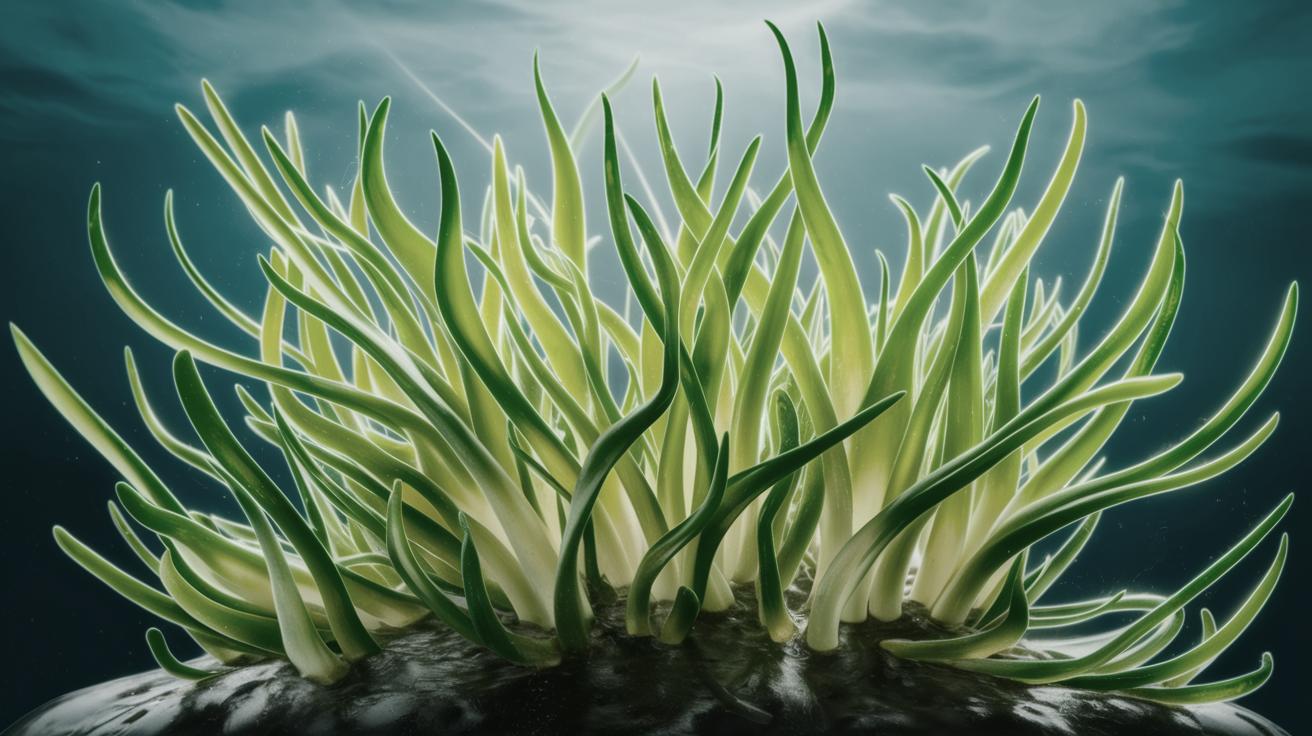
Algae encompass a wide range of photosynthetic organisms, from microscopic phytoplankton to large seaweeds. What makes them particularly interesting for biofuel production is their high photosynthetic efficiency and the ability to produce large amounts of oils or lipids, which can be processed into biodiesel. Algae adapt to various environmental conditions, making them a resilient and flexible choice for biomass production.
Their biology allows for genetic modifications, potentially enhancing growth rates, stress resistance, and oil content. Biotechnological advancements have enabled the development of algal strains that can sustainably yield higher quantities of biofuels, highlighting the potential of algae to contribute significantly to the renewable energy sector.
Production and Agronomic Information
Algal production typically involves cultivation in open ponds or photobioreactors. Open ponds are cost-effective but present challenges such as contamination and environmental fluctuations. In contrast, photobioreactors offer controlled environmental conditions and higher productivity, albeit at a higher cost. The choice between these methods depends on geographical, economic, and technological factors.
Agronomic practices in algae production focus on optimizing growth conditions, such as light, temperature, carbon dioxide levels, and nutrients. Advances in cultivation technology aim to strike a balance between cost-efficiency and maintaining the quality and quantity of the biomass produced. Selecting the appropriate strain and cultivation method is critical to maximize biofuel yield.
Potential Yields
Algae are capable of producing higher yields of biomass compared to traditional biofuel crops. Estimates suggest that algae can yield 5,000 to 10,000 gallons of biofuel per acre per year, significantly outpacing crops like soybeans, which produce about 50 gallons per acre annually. This potential is one of the most enticing aspects of algae as a biofuel source.
While laboratory conditions have demonstrated remarkable yields, the challenge remains to reproduce these results on a commercial scale. Continuous research aims to improve the robustness of algal strains and cultivation systems to ensure that these high yield expectations can be realized and financially viable.
Production Challenges
Despite the promise of algae biofuels, several challenges hinder their mass production. Controlling contamination, scaling up production processes, and managing the high energy costs associated with harvesting and processing algae are significant hurdles. The need for large volumes of water for algae cultivation in arid regions adds to logistical challenges.
The economic sustainability of algal biofuels is also challenged by fluctuating oil prices and the availability of subsidies for fossil fuels. Continued technological innovations and policy interventions are needed to overcome these barriers and make algae-based biofuels competitive with existing energy sources.
Estimated Production Cost
The cost of producing algae biofuels has been a significant impediment to their commercialization. Estimates suggest that production costs range from $8 to $30 per gallon, making it less competitive compared to conventional fossil fuels and other renewable resources such as solar or wind power.
However, ongoing research and development efforts focus on reducing these expenses through technological innovations and optimizing production systems. Subsidies and government incentives could also play a role in offsetting initial high costs, spurring further investment into algae biofuel technologies.
Environmental and Sustainability Issues
Algae biofuels offer notable environmental benefits, including reduced greenhouse gas emissions and the potential for wastewater utilization in its growth processes, thereby mitigating water pollution. Additionally, as algae can grow on non-arable land, they do not compete with food production, addressing ethical concerns associated with other biofuels.
Sustainability issues persist, particularly related to water usage and nutrient requirements. Developing closed-loop systems that recycle water and nutrients within the algae production cycle could help address these concerns. There is a critical focus on maintaining environmental balance while reaping the benefits of renewable biofuels.
Summary
Algae biofuels represent a promising possibility for inclusion in the renewable energy mix, leveraging rapid growth and high yields to address energy needs sustainably. While promising, the widespread adoption of algae-based biofuels faces economic, technological, and environmental challenges that necessitate further innovation and investment.
Next Steps
| Aspect | Details |
|---|---|
| Current Potential | Versatile resource, high lipid output, reduces greenhouse gases |
| Biology and Adaptation | Wide range of organisms, high oil content, genetic modifications possible |
| Production Methods | Open ponds vs. photobioreactors, focus on optimizing growth conditions |
| Potential Yields | Potentially higher than traditional biofuel crops if scaled efficiently |
| Production Challenges | Contamination, high energy costs, water usage in arid zones |
| Estimated Production Cost | $8 to $30 per gallon, more research needed to reduce costs |
| Environmental Considerations | Reduced emissions, uses non-arable land, water and nutrients sustainability |
Bibliography
Extensive research and articles have been consulted to provide a comprehensive view of algae biofuels, including:
- Journal of Renewable and Sustainable Energy
- Biofuels, Bioproducts and Biorefining Journal
- Research data from National Renewable Energy Laboratory (NREL)
Contributors to This Article
This article benefited from the insights and expertise of various stakeholders in the algae biofuel industry, including researchers, environmental scientists, and energy policy analysts.