How Electrification Is Changing The Energy Landscape
Electrification is radically altering the energy landscape, offering a sustainable alternative to traditional fossil fuels. This transformation is not just about replacing combustion engines with electric equivalents; it encompasses a comprehensive overhaul of our energy consumption and distribution methods. By integrating renewable energy sources, like solar and wind, with advanced storage solutions and sophisticated electrical panels, we are entering an era of energy efficiency and autonomy. Smart electric panels are at the forefront of this evolution, providing unprecedented control over energy consumption and enabling homeowners to reduce both their carbon footprint and energy costs. In this article, we’ll explore the evolving energy landscape, detailing how advancements in electrical panel technology are driving change, what this means for homeowners, and what to consider when upgrading to a smart electric panel.
What does the new energy landscape look like?
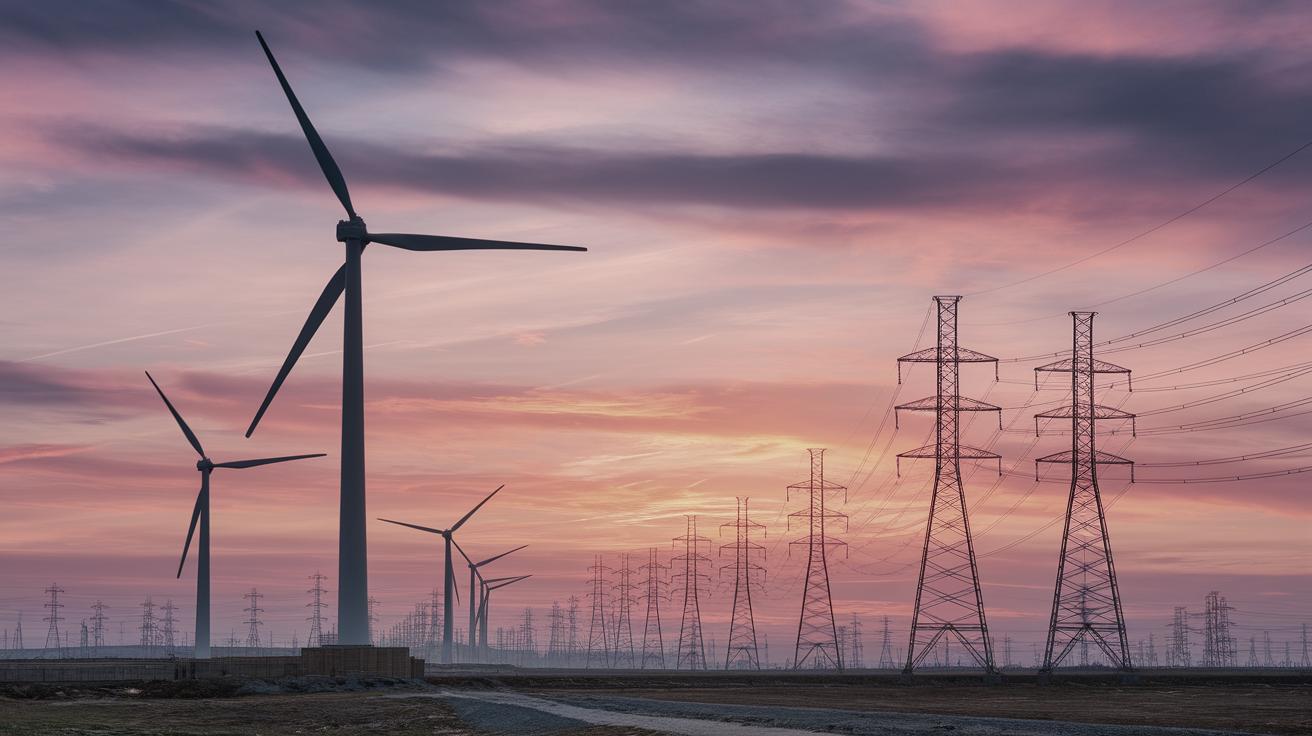
The emerging energy landscape is characterized by decentralization and democratization of energy generation and consumption. Traditional power grids, which rely heavily on centralized fossil fuel-based power plants, are giving way to more distributed networks. These new networks leverage renewable energy sources such as wind, solar, and hydroelectric power, which are integrated into localized grids. This shift not only reduces carbon emissions but also enhances the resilience of energy systems by minimizing the risk of large-scale outages.
Moreover, the transition is underpinned by an increased focus on energy efficiency. Smart technologies, encompassing advanced metering infrastructure and data analytics, are enabling consumers and operators alike to optimize energy use. This optimized consumption is achieved through demand response strategies that adjust energy consumption based on real-time supply and demand, further stabilizing the grid and reducing wastefulness.
How will the electrical panel evolve?
Simplified solar/storage integration
Electrical panels are evolving to simplify the integration of solar and battery storage systems. Modern smart panels now come with built-in support for solar systems and battery banks, allowing homeowners to easily and efficiently harness and store solar energy. This integration not only simplifies the overall setup but also optimizes energy utilization by making use of solar power during peak hours and drawing stored energy during the night or on cloudy days.
Additionally, the seamless integration plays a crucial role in facilitating the energy shift from centralized to localized power sources. By reducing reliance on the grid, these systems empower users to produce, store, and consume their own energy, promoting energy independence and reducing utility bills.
Streamlined installation
Streamlined installation is a key feature of modern electrical panels, engineered to accommodate various energy sources and devices with minimal complexity. These panels are designed for ease of use, featuring plug-and-play compatibility and digital interfaces that make for straightforward installation and operation. Such enhancements reduce the time and cost involved in setup, making energy upgrades more accessible to homeowners.
Installation efficiency is backed by intuitive software and hardware solutions that eliminate the need for extensive rewiring or technical adjustments. This user-friendly approach not only accelerates deployment but also fosters wider adoption among consumers eager to transition to sustainable energy solutions.
Scalable, modular control
Adaptability is at the heart of the modern electrical panel as they evolve towards scalable, modular control systems. Such systems offer flexibility to expand energy capacity and control as needs grow, thus avoiding costly overhauls. Homeowners can gradually upgrade their panels to accommodate additional solar panels, batteries, or new technology, aligning with shifting energy demands.
This modularity is enabled by software updates and component add-ons, which enhance system capabilities without requiring cumbersome hardware changes. As energy technology continues to evolve, scalable systems ensure that upgrades are smooth and cost-effective, thus encouraging more homeowners to invest in renewable energy solutions.
Intelligent load throttling
Intelligent load throttling features in contemporary panels maximize efficiency by prioritizing electrical loads and distributing power where needed. This innovation minimizes energy waste by selectively powering devices and systems based on their necessity, avoiding simultaneous high-energy use and thus reducing total consumption.
The benefits of load throttling extend beyond energy savings, as it also enhances the lifespan of appliances and mitigates potential overloads. This intelligent management of electrical loads is propelled by advances in machine learning and data analytics, which continuously optimize energy allocation based on usage patterns and grid conditions.
Flexibility
The flexibility of new electrical panels is key to their success, accommodating a broad array of energy sources, appliances, and smart home systems. This versatility ensures that panels can adjust to fluctuating energy demands and various user preferences, allowing for a personalized approach to energy management that traditional panels cannot offer.
Such flexibility also prepares homeowners for future energy trends, providing a framework that easily adopts emerging technologies like electric vehicle chargers and smart appliances. As technology advances, so too can the home’s energy systems, securing its alignment with a sustainable energy future.
How will this help homeowners?
The evolution of electrical panels delivers numerous benefits to homeowners, chief among them being significant reductions in energy costs. By effectively integrating solar and storage solutions with smart control systems, homeowners can substantially cut their reliance on grid electricity, leading to lower energy bills and increasing savings over time.
Moreover, enhanced energy autonomy supports greater resilience in the face of grid outages. Smart panels can seamlessly switch to stored renewable energy, maintaining power even during blackouts. This independence from the grid is particularly beneficial in areas prone to natural disasters or frequent power disturbances.
What to look for in a smart electric panel?
Trusted electrical expertise
Choosing the right smart electric panel begins with sourcing models backed by trusted electrical expertise. Reliable manufacturers typically have a history of producing high-quality electrical components and are well-versed in the latest technological developments. Ensuring these credentials helps safeguard against frequent malfunctions or inefficiencies.
Additionally, seeking panels that offer comprehensive support services is essential. It reassures homeowners of assistance in installation, troubleshooting, and maintenance, which can be crucial for optimizing energy systems and protecting the investment.
Add a comment Cancel reply
In the realm of energy innovations, consumer feedback is invaluable for improving technologies and enhancing user experience. Homeowners are encouraged to actively engage with manufacturers and online communities, sharing their experiences and suggestions. This collaborative feedback loop assists in refining smart electric panels and advancing energy solutions that meet consumer needs.
Accordingly, as we step further into an era led by electrification, the evolution of energy systems will depend significantly on active consumer participation. Informed users making discerning choices will drive the adoption and adaptation of smarter, more sustainable energy solutions.
Next Steps
| Key Aspect | Details |
|---|---|
| New Energy Landscape | Decentralized, renewable-based, focus on efficiency and resilience. |
| Evolving Electrical Panel | Simplified integration, modularity, intelligent control, and flexibility. |
| Benefits to Homeowners | Reduced costs, greater autonomy, and enhanced resilience. |
| Choosing Smart Panels | Consider trusted expertise and user feedback for optimal options. |