Understanding Energy-as-a-Service Models
In an era where the demand for sustainable and efficient energy solutions is surging, the Energy-as-a-Service (EaaS) model emerges as a transformative approach. This blog post explores the various facets of EaaS, beginning with a foundational understanding of what it entails. We delve into its historical evolution, the key components that make up the framework, and how it influences sustainable business practices. Particular attention is given to the innovative work of companies like BECIS, demonstrating EaaS in action. Through this exploration, we aim to offer insights into how EaaS is shaping the future of energy distribution and consumption, making it a pivotal component in the transition toward a more sustainable future.
What is Energy as a Service?
Energy as a Service (EaaS) represents a paradigm shift in how energy is consumed and managed. Unlike traditional models, where energy is purchased as a commodity, EaaS offers energy solutions as an integrated service. This includes a blend of technology, analytics, and services aimed at optimizing energy use, improving efficiency, and reducing costs. Customers subscribe to energy services under a contractual agreement rather than investing heavily in infrastructure.
The service-focused model means that ownership and operation of energy assets are retained by the service provider. This setup eases the financial and operational burden on consumers, allowing businesses and organizations to focus on their core operations without the distraction of managing complex energy systems. The result is an efficient, cost-effective, and sustainable energy solution tailored to the unique needs of each customer.
History of Energy as a Service (EaaS)
The origins of EaaS can be traced back to the industrial energy crisis of the late 20th century, when the need for more sustainable and efficient energy solutions became paramount. Initial efforts focused on decentralizing power generation through cogeneration plants and integrating renewable energy sources. As technology evolved, so did the opportunities to develop more service-oriented energy models that could deliver tailored solutions to diverse industries.
Over the past decade, the concept has gained substantial traction, driven by advancements in digital technology and a growing emphasis on sustainability. Data analytics and cloud computing have enabled more precise energy management and real-time monitoring, paving the way for scalable EaaS solutions. This historical evolution underscores the transition from a product-based to a service-based energy paradigm.
Key Components of EaaS
At the core of EaaS are several key components that define its functionality and success. Digital technology is perhaps the most crucial, allowing for the integration of smart meters and IoT devices that provide real-time data on energy consumption. This data is analyzed through sophisticated platforms, enabling optimized energy management and predictive maintenance of energy assets.
Another vital component is the financial model underpinning EaaS. Rather than large upfront costs, clients enter contractual agreements based on performance metrics or energy savings. This cost-structure flexibility allows organizations to scale their energy consumption needs efficiently and sustainably. These components, coupled with renewable energy technologies, position EaaS as a forward-thinking solution for modern energy demands.
EaaS’s Impact on Sustainable Business Practices
Energy as a Service is revolutionizing the landscape of sustainable business practices by offering scalable energy solutions that align with environmental goals. Companies adopting EaaS models report significant reductions in carbon footprints as the services often utilize renewable energy sources. These models support corporate sustainability agendas and offer a tangible impact on global efforts to combat climate change.
In addition to environmental benefits, EaaS enhances operational efficiency and cost management. Businesses can allocate resources to other sustainable initiatives and innovation by outsourcing energy management and gaining access to advanced technology without capital investment. This symbiotic relationship between energy efficiency and business growth underscores the strategic importance of EaaS in today’s economy.
Benefits for Small and Medium Enterprises (SMEs)
Small and medium enterprises (SMEs) often face challenges with energy costs and infrastructure investment. EaaS offers a customizable solution, enabling SMEs to access the latest energy technologies and services without a significant upfront financial commitment. As a result, they can compete effectively with larger counterparts, fostering innovation and sustainability within the SME sector.
Moreover, by leveraging the expertise and resources of EaaS providers, SMEs can enhance their resilience to market fluctuations and energy price volatility. This adaptability ensures that they remain agile and sustainable in an ever-evolving business landscape, allowing them to focus more on growth and less on energy management concerns.
Energy as a Service by BECIS
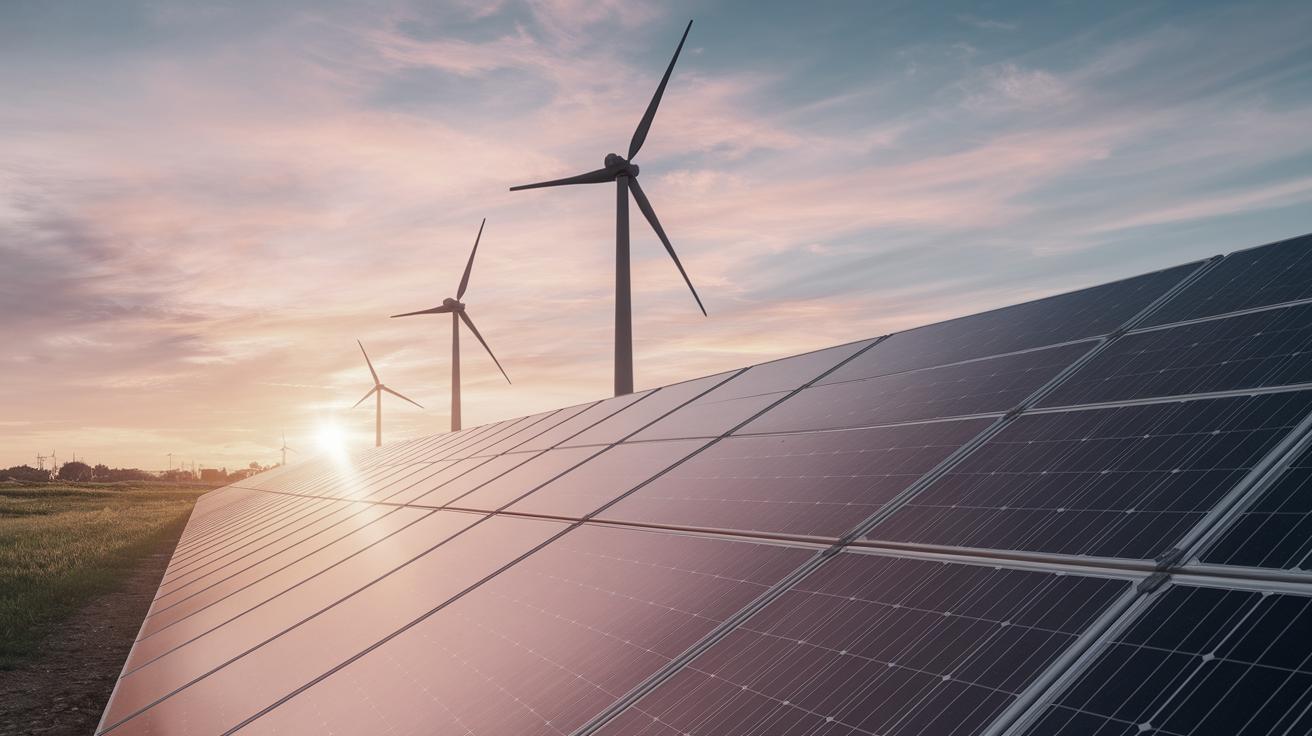
BECIS, a leading provider of Energy-as-a-Service solutions, has been at the forefront of promoting sustainable energy consumption globally. By offering tailored energy solutions, BECIS enables businesses to efficiently manage energy resources while minimizing environmental impact. Their model includes deploying renewable energy technologies such as solar and wind, coupled with advanced analytics to optimize energy use.
BECIS’s approach highlights the potential of EaaS to transform energy management across sectors. Their commitment to innovation and sustainability is evident in the results delivered to clients, including energy cost savings and enhanced operational efficiencies. BECIS exemplifies how EaaS can be harnessed to achieve both economic and environmental gains, reinforcing the model’s role in a sustainable future.
Partnership and Innovation
The success of BECIS is also attributed to its strategic partnerships with technology providers and local authorities. These collaborations ensure the seamless integration of cutting-edge energy solutions that comply with regional regulations and standards. The focus on innovation drives continuous improvement and adaptation to the latest energy trends, further enhancing the value offered to clients.
Through its comprehensive platform, BECIS remains a shining example of how EaaS can be leveraged to deliver impactful and sustainable energy solutions. Their approach not only showcases the viability of EaaS but also inspires other organizations to explore this transformative energy model in their sustainability journey.
Final Thoughts
| Section | Summary |
|---|---|
| What is Energy as a Service? | An overview of how EaaS offers integrated energy solutions by managing energy assets and smart technology for better efficiency and reduced costs. |
| History of Energy as a Service (EaaS) | Exploration of EaaS’s evolution from initial decentralized power efforts to a data-driven service model in response to the need for sustainable energy solutions. |
| Key Components of EaaS | Discussion on the technological and financial frameworks that power EaaS, including digital integration and flexible contractual agreements. |
| EaaS’s Impact on Sustainable Business Practices | Analysis of how EaaS advances corporate sustainability and operational efficiency, reducing carbon footprints and enhancing competitiveness. |
| Energy as a Service by BECIS | A case study on BECIS’s role in demonstrating the potential of EaaS through renewable technologies and strategic partnerships for sustainable solutions. |