Decommissioning Wind Farms: What It Involves
Decommissioning wind farms is an intricate process that ensures the safe and environmentally-friendly dismantling of wind turbines once they have reached the end of their operational life. This complex undertaking involves detailed planning, regulatory compliance, and careful execution to minimize ecological impact and recover valuable components. From planning submissions to the physical removal of turbines, each step is vital to maintain the integrity and sustainability of renewable energy operations. This article delves into various facets of decommissioning, including planning proposals, community feedback, and additional resources on renewable energy topics.
Plans Submitted for 12 Wind Turbines Near Oban
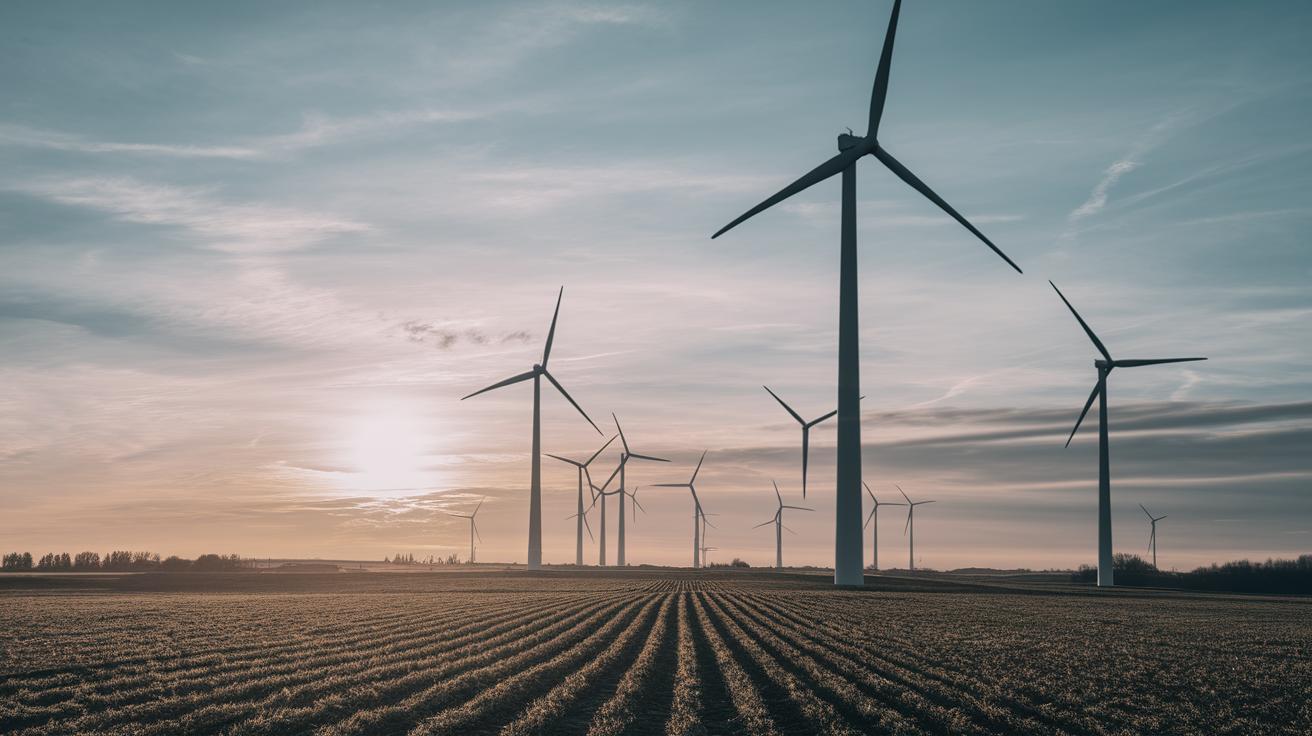
When considering the decommissioning of wind farms, especially those comprising multiple turbines like those near Oban, the first step is the submission of detailed plans to local and environmental authorities. These plans highlight the intended timeline, methods for dismantling, transportation routes for materials, and strategies for land restoration. Ensuring thorough preparation is essential to mitigate environmental impact and address local community concerns.
Within these plans, stakeholders must address the recycling and disposal of turbine materials. Items like blades, comprised of composite materials, require innovative solutions due to their non-biodegradable nature. Companies are increasingly looking toward developing technologies that facilitate efficient recycling or repurposing of these components. This planning phase is crucial for optimizing the balance between operational costs and ecological responsibility.
Rate this article
Your input is vital for creating quality content that resonates with readers interested in renewable energy and sustainability. We invite you to rate this article based on the information presented and its clarity in addressing the complexities involved in wind farm decommissioning. Constructive feedback not only assists us in improving but also ensures that we provide the most current and relevant insights into the renewable sector.
Our rating system is designed to capture various aspects of the article, including comprehensiveness, readability, and utility. With your feedback, we aim to enhance our content continuously, ensuring it meets the informational needs of both industry stakeholders and curious readers alike.
Thanks for your feedback
We extend our gratitude for your valuable feedback. Every piece of input helps refine our understanding of audience expectations and content requirements. Your feedback plays a crucial role in shaping future articles, guiding a more nuanced exploration of renewable energy topics. We are committed to providing content that effectively informs and educates our audience.
Continued engagement with our readers helps us maintain a dynamic and responsive platform. Your insights into this article, whether they outline appreciation or areas for improvement, are instrumental in driving the evolution of our content creation process. Thank you once again for taking the time to contribute your thoughts.
Tell us more
If you have specific questions or require further information on decommissioning wind farms, please don’t hesitate to reach out. We are eager to delve deeper into specific topics, address unclear sections, or explore related content that might interest you. Your enquiries drive the continuous development of our educational resources, helping us tailor content to suit different interests and knowledge levels.
Additionally, your input may uncover emerging trends or issues in renewable energy that require more extensive coverage. By outlining your interests or concerns, you help us to align our research and writing efforts with the topics that matter most to our readership. We value this collaborative approach to knowledge sharing and look forward to your continued engagement.
More articles on Renewable Energy
For those interested in broadening their understanding of renewable energy beyond wind farm decommissioning, we offer a variety of articles covering different aspects of this dynamic field. Our library includes topics on solar power initiatives, advancements in battery storage technology, and policy developments impacting the renewable energy landscape worldwide.
The burgeoning field of renewable energy is ripe with innovation and opportunities for sustainable development. By exploring these topics, readers can gain insights into the technologies driving the transition to clean power and the policies fostering this global movement. Stay informed with our comprehensive articles designed to educate and inspire.
Are you sure you want to delete your contribution?
We have implemented a request for confirmation process to safeguard the integrity of interactions on our platform. Before deleting any contribution, we encourage reflection to ensure that valuable insights or feedback are not lost. Sharing knowledge and experiences on renewable energy is vital for fostering an informed community dialogue.
Each contribution adds to the collective understanding of complex issues within the renewable energy sector, including wind farm decommissioning. We advocate for thoughtful engagement and retention of contributions to enrich our shared knowledge base. Your input is essential to a holistic exploration of these important topics.
Are you sure you want to delete your reply?
Just as with contributions, replies add depth and dimension to discussions. Deleting a reply requires careful consideration, as these interactions help build a collaborative community dedicated to sharing insights on renewable energy issues. Your engagement is valued and contributes to a vibrant exchange of ideas.
We encourage community members to reflect on the decision to delete replies and consider the potential value they add to ongoing discussions. Each interaction draws us closer to a comprehensive understanding of wind farm decommissioning and renewable energy as a whole. Together, we can foster an environment of continuous learning and exploration.
1
The decommissioning process begins with a highly detailed plan submission, as mentioned earlier. The steps outlined must comply with environmental regulations and community standards while ensuring minimal disruption to the local ecosystem and wildlife. Adherence to these plans ensures a constructive dialogue with all stakeholders, fostering a cooperative approach to decommissioning.
2
Once approved, the decommissioning phase involves several technical processes, starting with the dismantling of turbines. This requires specialized equipment and expertise to safely disassemble and remove each component. The removed parts are then transported offsite for recycling or disposal, depending on their material composition and condition.
3
Addressing the environmental impact is a critical aspect of decommissioning. Companies are tasked with restoring the land to its original state or repurposing it for new development. This may involve soil revitalization, habitat restoration, and ongoing monitoring to ensure that the site remains ecologically balanced post-decommissioning.
4
Community engagement throughout the decommissioning process is essential. Open communication and transparency help to address concerns and build trust between developers and local residents. Regular updates and forums can alleviate fears and misconceptions, reinforcing the commitment to sustainable practice and environmental stewardship.
5
Financial considerations also play a significant role in the decommissioning process. The cost of dismantling, transportation, and site restoration must be meticulously calculated and included in the overall project budget from the outset. Ensuring financial allocations for end-of-life activity is crucial for the project’s successful and responsible closure.
6
Looking ahead, the knowledge gained from decommissioning wind farms can guide future projects, enhancing both technological and environmental efficiencies. Innovations in recycling turbine components and improving decommissioning techniques promise to make renewable energy solutions more sustainable in the long term.
Next steps
| Step | Description |
|---|---|
| Plan Submission | Detailing decommissioning timelines, methods, and environmental considerations. |
| Dismantling Process | Technical removal of turbines and safe transport of materials. |
| Environmental Restoration | Efforts to return land to its natural state or alternate use. |
| Community Engagement | Maintaining open dialogue and transparency with local stakeholders. |
| Financial Planning | Budgeting for dismantling, transport, and restoration costs. |
| Future Insights | Improving decommissioning strategies for enhanced sustainability. |