Enhancing Power Grid Reliability: Strategies and Solutions
As global energy needs expand and climate change pressures grow, the importance of modernizing the power grid becomes increasingly apparent. This blog explores essential strategies in grid modernization that bolster reliability, ensuring a stable and efficient energy supply. From upgrading infrastructure to integrating distributed energy resources, addressing cybersecurity threats, and enhancing grid planning, these measures collectively contribute to a resilient power system. Moreover, effective collaboration, communication, and ongoing research and development play crucial roles in realizing these advancements. Discover how each facet of grid modernization interlinks to create a robust energy framework primed for present and future demands.
Infrastructure Modernization
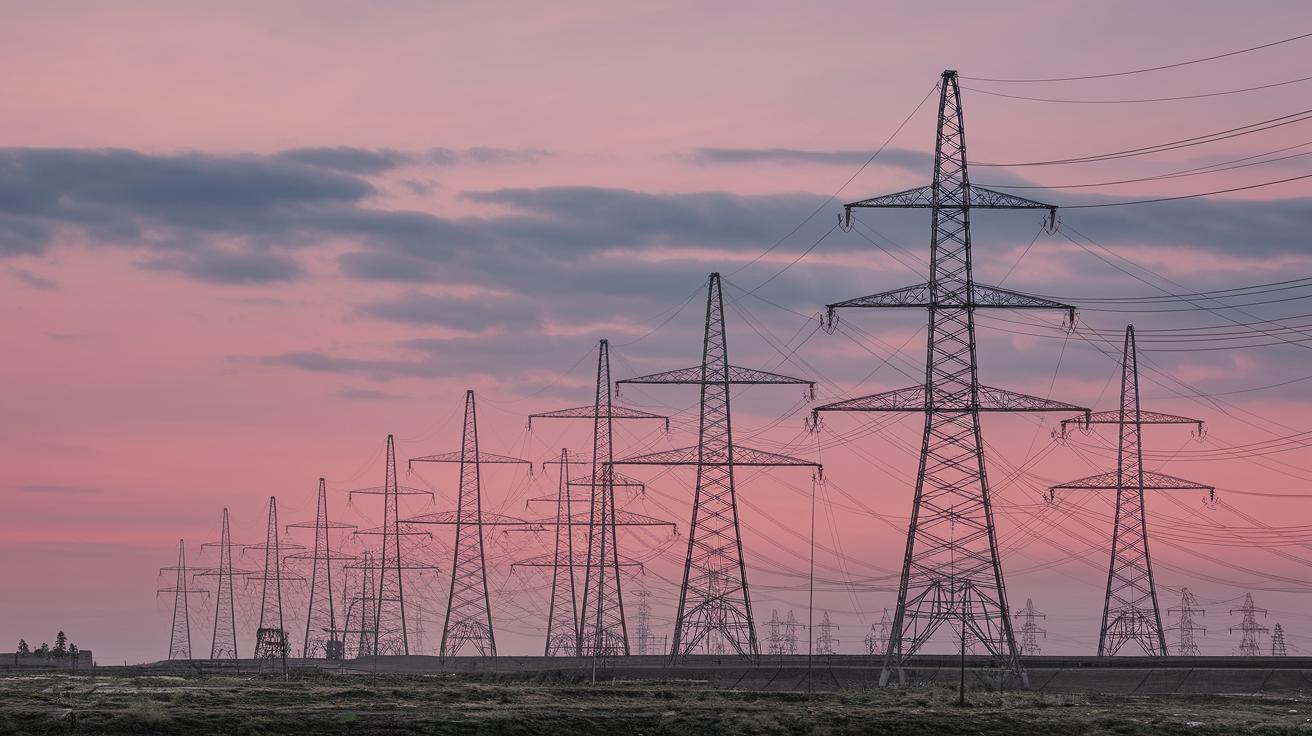
Infrastructure modernization lies at the heart of enhancing power grid reliability. It involves updating and replacing outdated components with advanced technologies to withstand contemporary challenges and demands. By upgrading transmission lines, substations, and distribution networks, utilities can minimize disturbances and enhance the grid’s ability to deliver electricity consistently.
The adoption of smart technologies, such as sensors and automation systems, facilitates real-time monitoring and quick response to potential issues. This proactive approach enables immediate detection of faults or inefficiencies in the grid, reducing downtime and improving service reliability for consumers.
Distributed Energy Resources (DERs) Integration
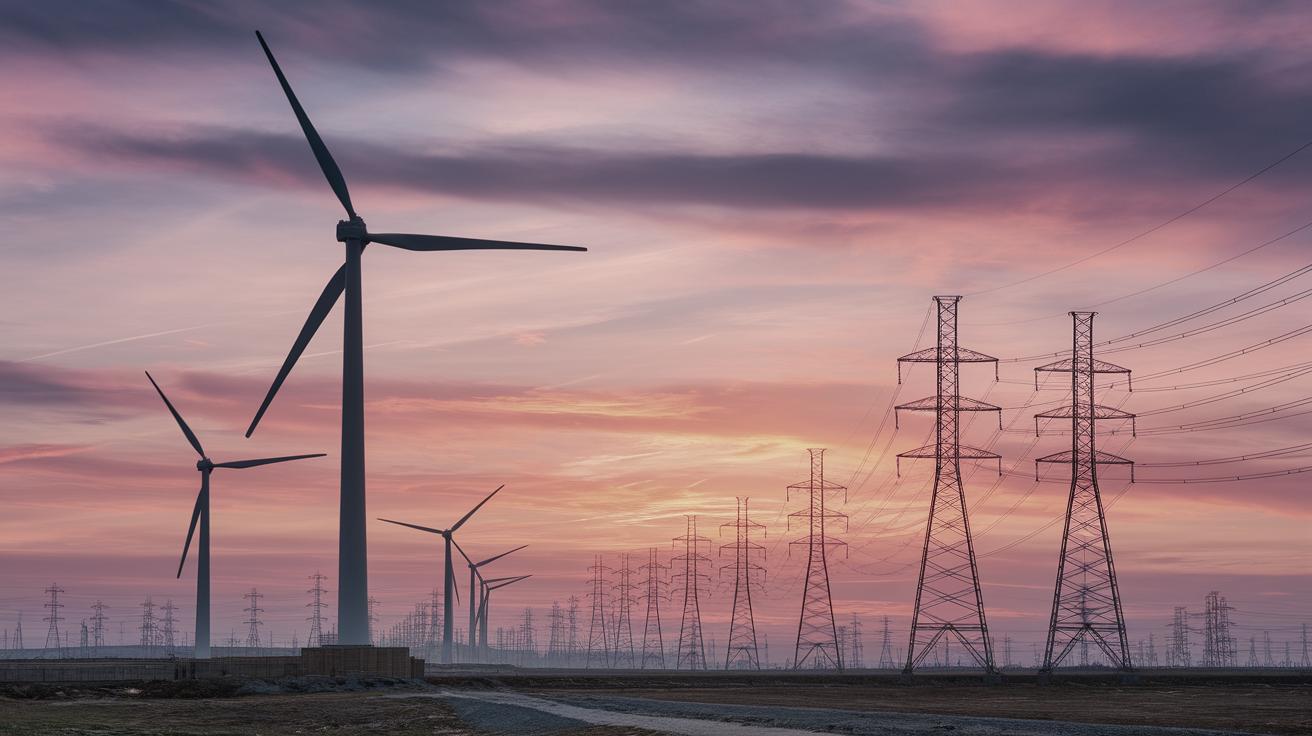
The integration of Distributed Energy Resources (DERs), like solar panels, wind turbines, and battery storage systems, significantly enhances grid reliability. DERs diversify energy sources and decrease dependency on centralized power stations, reducing transmission losses and offering more localized, sustainable power generation.
By harnessing the potential of DERs, the grid can more effectively balance supply and demand, even during peak usage or unexpected disruptions. Advanced management systems coordinate DERs effectively, ensuring seamless incorporation into the existing grid infrastructure and enhancing overall energy efficiency and reliability.
Cybersecurity and Physical Security
In a world of increasing digital interconnectivity, protecting the grid from cyber threats is paramount. Cybersecurity measures are essential to safeguard critical infrastructure from cyber attacks that could disrupt power delivery and compromise reliability.
Physical security is equally vital, as the physical components of the grid must be protected from threats such as vandalism, natural disasters, and terrorism. Implementing robust security protocols and advanced surveillance technologies not only examines potential vulnerabilities but also strengthens the grid’s ability to withstand such threats and maintain continuous power supply.
Grid Planning and Forecasting
Grid planning and forecasting are integral to modernizing efforts designed to bolster reliability. Employing sophisticated analytics and predictive models allows for better anticipation of future energy needs and challenges, leading to more informed decision-making regarding investments and infrastructure upgrades.
Effective forecasting ensures that grid operators can manage fluctuating demand and accommodate the integration of renewable energy sources, such as wind and solar, whose outputs are variable. This proactive planning contributes to a stable, reliable power grid that meets the evolving needs of society.
Collaboration and Communication
Collaboration among stakeholders, including utilities, governments, and technology providers, is essential for advancing grid modernization efforts. Joint initiatives and partnerships foster an environment conducive to sharing best practices, tackling common challenges, and achieving shared goals in enhancing grid reliability.
Open communication channels and cooperative strategies ensure that all parties are aligned in their objectives, facilitating smoother implementation of modernization projects. This collective approach also helps to engage and inform the public about ongoing developments and the importance of a reliable power grid.
Research and Development
Ongoing research and development are critical to sustaining long-term improvements in grid reliability. Investment in innovative technologies and methods can uncover new ways to enhance grid performance, from advanced energy storage solutions to better grid management systems.
Encouraging innovation through R&D initiatives helps address existing challenges and anticipates future trends, ensuring the power grid evolves steadily to meet rising demands and adapts efficiently to new energy paradigms. Continued R&D efforts are foundational to building a resilient, future-ready grid.
Takeaway
| Aspect of Grid Modernization | Impact on Reliability |
|---|---|
| Infrastructure Modernization | Reduces disturbances, facilitates quick response, and improves service through updated components. |
| DERs Integration | Diversifies energy sources, balances supply and demand, and enhances efficiency and reliability. |
| Cybersecurity and Physical Security | Protects against digital and physical threats, ensuring continuous power supply. |
| Grid Planning and Forecasting | Anticipates future needs, ensuring stable, reliable power with effective demand management. |
| Collaboration and Communication | Facilitates joint initiatives and public engagement, achieving shared goals in grid reliability. |
| Research and Development | Encourages innovation, addressing challenges, and adapting to new energy paradigms. |