Challenges in Smart Grid Technology Adoption
As global demands for energy efficiency and sustainability intensify, smart grid technology emerges as a promising solution. This blog post delves into the multifaceted challenges faced in adopting smart grid systems, particularly how these challenges affect electric vehicle (EV) charging infrastructure. We explore economic pressures globally, resource scarcity, cybersecurity vulnerabilities, and route instability issues that complicate implementation efforts. In addressing these challenges, we propose potential solutions, including increased investments, resource alternatives, and enhanced cyber defenses. Finally, we look ahead to the future of smart grid technology and its potential impacts on energy management, sustainability, and infrastructure resilience.
Post navigation
Navigating the challenges of smart grid technology adoption is a multidimensional endeavor. By understanding the various aspects—from the impact on EV charging infrastructure to systemic vulnerabilities and resource demands—we can better position ourselves to address these issues proactively. As we dive deeper into each challenge, specific strategies will be highlighted, offering a roadmap for overcoming the hurdles that currently impede the broader adoption of smart grid systems.
How Does Smart Grid Technology Impact the EV Charging Infrastructure Industry?
The integration of smart grid technology with EV charging infrastructure is pivotal for maximizing energy efficiency and load management. Smart grids offer real-time monitoring and data analytics, which can optimize charging schedules to minimize grid stress during peak periods. This crucial capability not only ensures network reliability but also enhances user experience for EV owners, enabling seamless and cost-effective energy consumption.
However, the transition to a fully integrated smart grid system poses challenges. The current infrastructure often lacks the technological maturity needed to harmonize smart grid functions with EV charging demands. The need for extensive hardware upgrades, software integration, and developing intelligent algorithms presents both technical and financial barriers to widespread adoption. Thus, while smart grid technology holds promise for revolutionizing EV charging, significant investments in research and development are essential to unlock its potential.
Challenges in Expanding Smart Grid Technology
A Still-Recovering Global Economy
The global economic climate continues to impact the expansion of smart grid technologies. Many countries struggle with post-pandemic economic recovery, diverting attention and resources away from infrastructural innovations to more immediate fiscal concerns. This diversion can delay projects and restrict funding allocations necessary to jumpstart wide-scale adoption of smart grids.
Furthermore, countries with limited access to financial instruments are at a disadvantage, unable to invest in technology upgrades, training, and development. The disparities in economic capabilities among regions could exacerbate technology gaps, hindering efforts to build a globally synchronized smart grid infrastructure. Public-private partnerships and international collaborations may be required to bridge these economic divides.
Scarcity and Price Fluctuation of Resources
The adoption of smart grid technologies is heavily dependent on the availability of critical infrastructure resources, such as semiconductors, rare earth metals, and other electronic components. Recent disruptions in global supply chains, coupled with political tensions, have led to resource scarcity and fluctuating prices, complicating procurement for new installations and upgrades.
These constraints force manufacturers and energy companies to contend with increased operational costs, subsequently impacting the pricing of smart grid technologies. Consequently, finding sustainable and reliable alternatives to these critical resources is imperative to manage costs effectively and ensure continual progress in smart grid deployment.
Vulnerability to Cyberattacks
As smart grid technology increasingly relies on digital communication and internet connectivity, the threat of cyberattacks looms large. Cyberattacks can result in data breaches, compromised system integrity, and potentially catastrophic disruptions to power supplies. The interconnected nature of smart grids makes them a lucrative target for malicious actors aiming to cause widespread disruption.
Protecting smart grids from these vulnerabilities demands robust cybersecurity measures, including advanced encryption, regular penetration testing, and a comprehensive incident response strategy. Furthermore, ensuring that operators and personnel are adequately trained in cybersecurity protocols is crucial to safeguarding the smart grid systems.
Route Instability
One of the less-discussed challenges of smart grid deployment is route instability, which pertains to the variable and often unpredictable nature of power distribution routes. Changes in grid topology, caused by maintenance work or natural disasters, can affect the stability and efficiency of power distribution, complicating smart grid management.
Addressing route instability requires dynamic adaptability within smart grid systems, with technologies capable of real-time assessment and automatic adjustments to ensure consistent power supply. Innovations in sensor technology and predictive analytics are pivotal in enhancing the resilience and reliability of smart grid infrastructures in the face of these challenges.
Solving Smart Grid Technology’s Challenges
More Smart Grid Investments to Solve the Funding Challenge
To overcome the funding challenge, increasing investments from both public and private sectors is essential. Encouraging governmental incentives, subsidies, and tax credits can prompt substantial investments into smart grid technologies. Additionally, fostering venture capital and industrial partnerships can bridge funding gaps and accelerate development and deployment.
Financial strategies focused on long-term returns, sustainability, and energy savings can also attract investors. Leveraging financial modeling to demonstrate the potential economic and environmental benefits of smart grids may make investments more appealing and galvanize support for widespread adoption.
Alternatives to Scarce Resources
In response to resource scarcity, the pursuit of resource-efficient alternatives and innovations is critical. Exploring new materials and technological advancements that minimize dependency on rare earth elements can mitigate the impact of resource fluctuations. Investing in research to develop recyclable and renewable components is another promising avenue that holds long-term benefits.
Collaborative efforts to establish resource-sharing agreements and strengthen supply chain diversification can further ensure the robustness of smart grid technology availability. Innovations in supply chain management and resource utilization will be vital to securing the materials needed for the continuation of smart grid development.
Addressing Vulnerability to Cyberattacks
Addressing cybersecurity vulnerabilities requires a multi-layered approach. Implementing state-of-the-art cybersecurity technologies, such as blockchain and deep learning algorithms, can enhance the protective capabilities of smart grid systems. Continuous updates and rigorous testing procedures are necessary to maintain system integrity.
Building a culture of cybersecurity awareness and education among all stakeholders, from operators to end-users, is essential. Regular cybersecurity drills and simulations can prepare smart grid operators for potential threats, ensuring rapid response and mitigation of any attack.
Proposed Route Instability Solutions
Solutions to route instability involve implementing advanced monitoring systems that can predict and respond to disruptions in real-time. Integrating AI-driven modeling and analytics can provide insights into potential route issues before they escalate, allowing preemptive measures to be taken.
Moreover, enhancing grid infrastructure with smart sensors and IoT devices can aid in the automatic rerouting of power flows to maintain stability. Encouraging innovation in smart routing technologies as part of smart grid initiatives will help address the ongoing challenges posed by dynamic power distribution routes.
What Does the Future of Smart Grid Technology Hold?
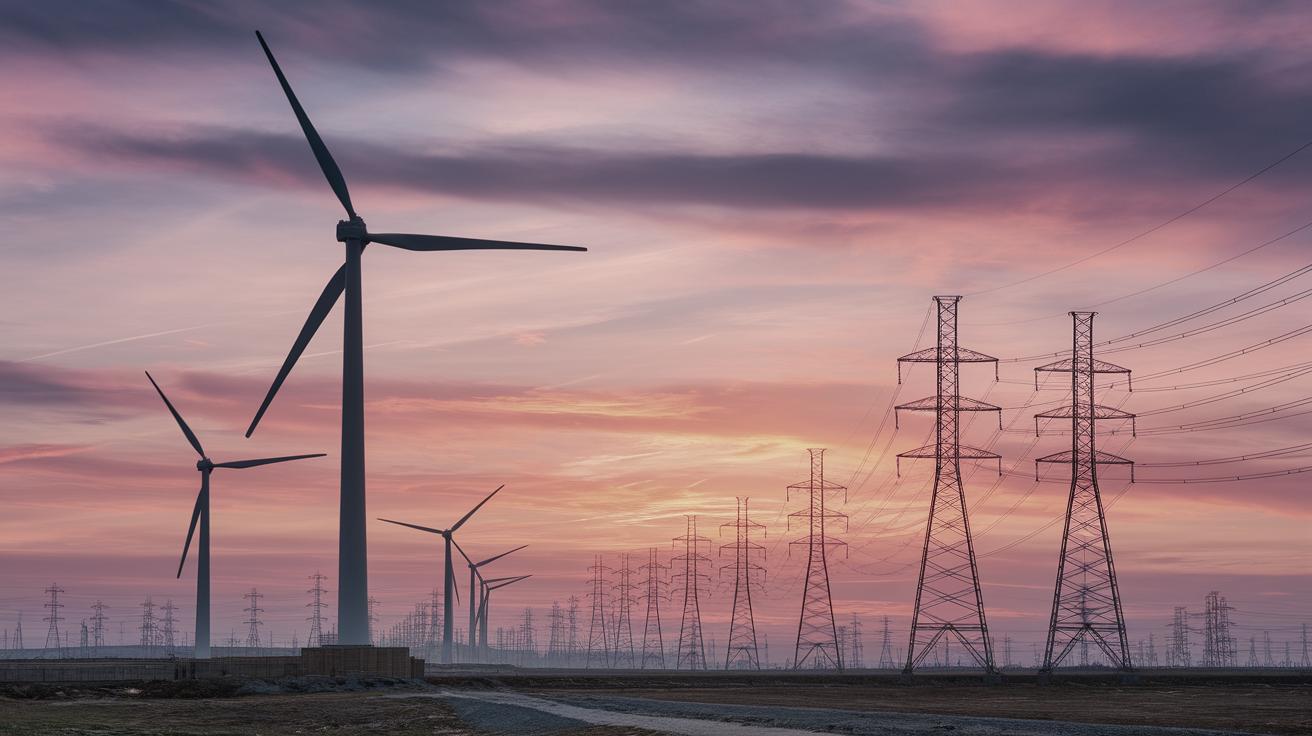
The future of smart grid technology is poised with transformative potential. As we navigate the challenges and implement effective solutions, smart grids will mark a critical evolution in energy management. The integration of sustainable energy sources, such as wind and solar, will likely be more seamless and efficient, facilitating a transition to a more eco-friendly global energy profile.
Moreover, smart grid innovations stand to revolutionize how we interact with energy systems, offering enhanced capabilities for consumer engagement and energy efficiency. With continued advancements, smart grids could support decentralized energy markets and encourage the proliferation of energy independence, empowering consumers and fostering a greater push towards sustainability.
Next Steps
| Challenge | Overview | Proposed Solutions |
|---|---|---|
| Global Economy | Economic recovery challenges limit funding and attention. | Increase public and private investments, encourage international collaboration. |
| Resource Scarcity | Supply chain issues cause fluctuations in key resource availability. | Develop resource alternatives, enhance supply chain management. |
| Cybersecurity | Reliance on interconnected systems heightens risk of cyber threats. | Invest in advanced cybersecurity measures, foster security education. |
| Route Instability | Variable power distribution routes challenge grid stability. | Use advanced monitoring and AI for predictive analytics, improve infrastructure. |