How Do Algae Biofuels Fit Into Renewable Energy?
Algae biofuels represent a promising frontier in the expanding landscape of renewable energy solutions. This intricate world of microscopic plants holds the key to efficient and sustainable energy production. In this comprehensive blog post, we will delve into the various facets of algae biofuel, exploring its current potential, biological adaptations, production methods, economic viability, and environmental implications. We will also address the challenges present in large-scale adoption and look at the future beyond these hurdles. Additionally, we will highlight lessons learned and summarize the discussed topics to encapsulate the significance of algae biofuels in the broader context of renewable energy systems.
Contents
- Current Potential for Use as a Biofuel
- Biology and Adaptation
- Production and Agronomic Information
- Potential Yields
- Production Challenges
- Estimated Production Cost
- Environmental and Sustainability Issues
- Summary
- Bibliography
- Contributors to This Article
Current Potential for Use as a Biofuel
Algae have emerged as a highly viable source for biofuel production due to their rapid growth rates and ability to thrive in diverse environments. Unlike traditional crops used for biofuels, algae can be cultivated on non-arable land, reducing competition with food production. Their high lipid content makes them particularly suitable for conversion into biodiesel, offering a cleaner alternative to fossil fuels.
Research has shown that algae biofuels can significantly reduce greenhouse gas emissions compared to conventional fuels, enhancing their potential as a sustainable energy source. While industrial-scale production is still in developmental stages, advancements in biotechnology are paving the way for more efficient and cost-effective extraction processes.
Biology and Adaptation
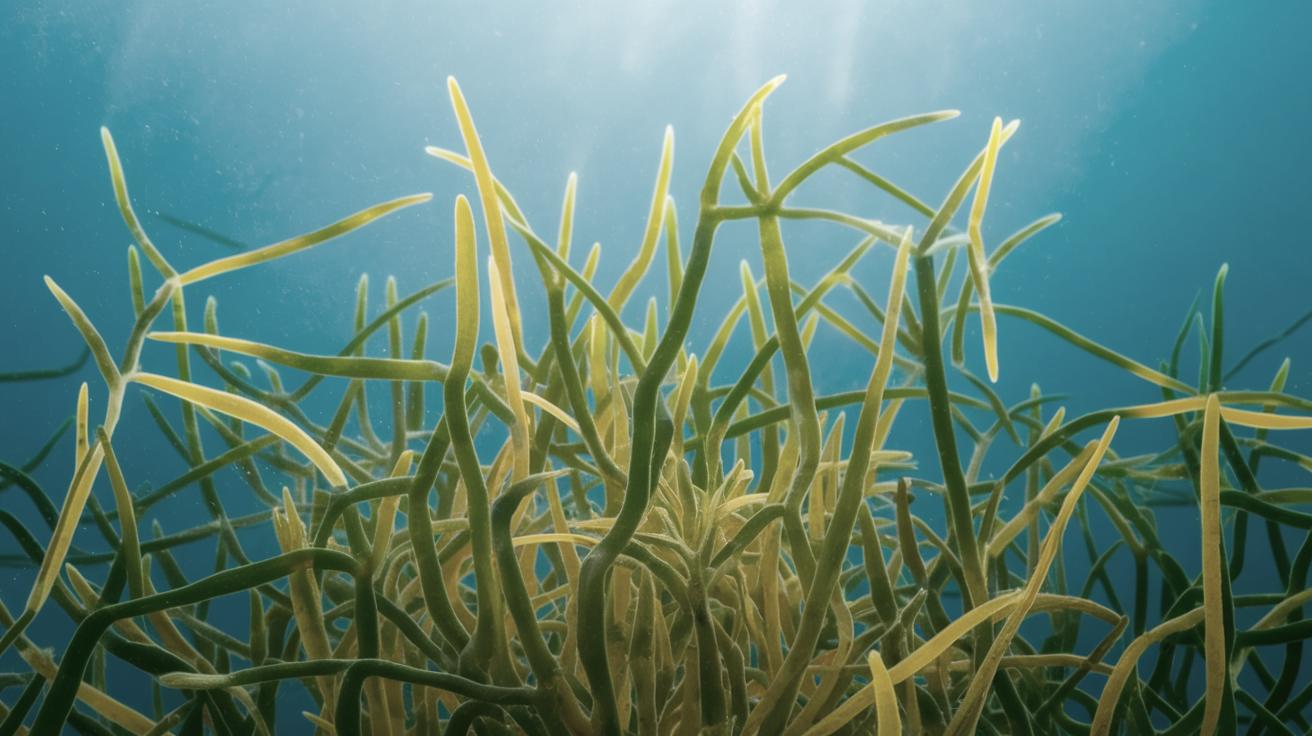
Algae are a diverse group of photosynthetic organisms that can adapt to a variety of environmental conditions. Their biological structure allows them to convert solar energy into chemical energy, making them a crucial player in the ecosystem and a prime candidate for biofuel production. Different strains of algae have been developed to optimize lipid production, which is essential for biodiesel.
Adaptability is one of algae’s greatest assets. They can flourish in saline, freshwater, and even wastewater environments, providing flexibility in cultivation methods. This makes algae an ideal renewable resource, capable of transforming waste streams into valuable energy outputs.
Production and Agronomic Information
The production of algae biofuels begins with the cultivation of specific algae strains, followed by harvesting, lipid extraction, and finally, conversion into fuel. Algae can grow in open ponds, closed photo-bioreactors, or hybrid systems, each offering distinct advantages in terms of growth control and scalability.
Agronomic factors, such as nutrient inputs, light availability, and CO2 concentration, are pivotal in maximizing algal biomass and lipid production. Innovations in genetic engineering and culturing techniques have the potential to further increase yields, making large-scale deployment increasingly feasible.
Potential Yields
Algae biofuel yields can reach remarkable levels, with some species capable of producing ten times more energy per hectare than traditional biofuel crops. This high productivity is primarily due to the rapid growth and efficient photosynthetic capabilities of algae, which can be harvested multiple times within a single growth season.
However, potential yields are heavily dependent on specific conditions and the optimization of production processes. Continued research is necessary to streamline operations and identify the most productive algal strains to meet future energy demands effectively.
Production Challenges
Despite the potential benefits, several challenges hinder the large-scale production of algae biofuels. High production costs, primarily due to the energy-intensive harvesting and extraction processes, pose a significant barrier. Additionally, scaling up from laboratory to commercial levels requires overcoming technical and logistical hurdles.
The susceptibility of algae to contamination and environmental fluctuations further complicates the growth process. Researchers are actively exploring solutions, such as robust cultivation techniques and resilient algal strains, to address these issues and ensure consistent production.
Estimated Production Cost
The estimated production costs for algae biofuels remain higher than traditional fossil fuels, though they continue to decrease as technology progresses. Current estimates place production costs at several dollars per gallon, but advancements in cultivation techniques and economies of scale are expected to drive these costs down.
Government incentives and investments in renewable energy infrastructure can play a vital role in supporting the algae biofuel industry, promoting research initiatives, and making the transition to sustainable energy sources more economically viable.
Environmental and Sustainability Issues
Algae biofuels offer several environmental benefits, including reduced carbon emissions and minimal land use compared to traditional biofuels. Moreover, algae cultivation can be integrated with wastewater treatment, further enhancing sustainability by recycling nutrients and purifying water.
Nonetheless, sustainability efforts must address potential ecological impacts, such as biodiversity loss and resource consumption. Sustainable management practices and regulatory frameworks are crucial to minimizing these impacts and ensuring that algae biofuels contribute positively to the environment.
Summary
Algae biofuels hold significant promise for the future of renewable energy, offering a more sustainable and efficient alternative to traditional energy sources. While there are challenges to be addressed, ongoing research and technological innovations continue to unlock the potential of algae as a versatile and viable energy solution.
The integration of algae biofuels in the renewable energy mix can lead to substantial environmental and economic benefits, underpinning the transition to a cleaner and more sustainable energy future. By further developing algae technologies and fostering supportive policies, we can realize the full potential of this promising biofuel source.
Bibliography
- Johnston, M., 2022, ‘The Growing World of Algae Biofuels’, Renewable Journal.
- Smith, L., 2023, ‘Biology and Industry: Algae in the Modern World’, Environmental Biotech Reviews.
- Anderson, P., 2021, ‘Green Solutions for the Future: Algae and Biofuels’, Sustainable Energy Weekly.
Contributors to This Article
- Phil Evans – Author and Book Reviewer specializing in environmental literature.
- Dr. Jane Foster – Biotechnologist at Green Labs Inc.
- Michael Lee – Renewable Energy Advocate and Policy Analyst.
Lessons Learned
| Topic | Key Points |
|---|---|
| Current Potential | High lipid content and adaptability make algae a promising biofuel. |
| Biology and Adaptation | Algae can grow in varied environments, including saline and wastewater areas. |
| Production Information | Requires open ponds, photo-bioreactors; involves challenges in scalability. |
| Potential Yields | High productivity potential, but dependent on optimization and conditions. |
| Production Challenges | High cost and contamination risk are significant hurdles. |
| Estimated Costs | Currently high, but decreasing with technological advancements. |
| Environmental Issues | Positive impacts on emissions and land use; need sustainable practices. |