Challenges in Smart Grid Technology Adoption
Smart grid technology represents an evolution in the way electricity is distributed and consumed, promising increased efficiency, reliability, and integration of renewable energy sources. While the benefits are compelling, the path to widespread adoption is fraught with challenges. This exploration delves into the hurdles that must be overcome to realize the full potential of smart grids, including economic constraints, resource limitations, cybersecurity threats, and infrastructural weaknesses. Further, it discusses solutions being proposed to address these issues and ponders what the future holds for this transformative technology.
Post navigation
- How Does Smart Grid Technology Impact the EV Charging Infrastructure Industry?
- Challenges in Expanding Smart Grid Technology
- Solving Smart Grid Technology’s Challenges
- What Does the Future of Smart Grid Technology Hold?
How Does Smart Grid Technology Impact the EV Charging Infrastructure Industry?
The emergence of smart grid technology is set to revolutionize the electric vehicle (EV) charging infrastructure, making it more efficient and responsive to the needs of a growing number of electric vehicle users. Smart grids enable a bidirectional flow of electricity, wherein EVs not only draw power but can also supply excess energy back to the grid. This level of interaction can significantly balance load demand, stabilize the grid, and mitigate peak usage strains.
Moreover, smart grids facilitate better integration of renewable energy sources into the EV charging matrix. With sophisticated real-time monitoring and data analytics, operators can optimize charging stations’ locations and operations, ensuring they are powered by greener energy alternatives whenever possible. This not only lowers the carbon footprint of EVs but also contributes to overall sustainability goals.
Challenges in Expanding Smart Grid Technology
A Still-Recovering Global Economy
Economic volatility remains a significant challenge in the expansion of smart grid technology. As the global economy continues to recover from recent downturns, many regions face budget constraints that impact investment in infrastructure projects. Governments and energy providers are often cautious about allocating funds to smart grid initiatives, given the substantial upfront costs associated with the necessary technology upgrades and grid modernization efforts.
In addition to these financial constraints, the political landscape can influence funding priorities. Projects deemed non-essential may experience delays, as policymakers balance economic recovery efforts with infrastructure development. As a result, securing sustained financial investment for smart grid technology requires demonstrating clear economic and societal benefits that justify the costs.
Scarcity and Price Fluctuation of Resources
The scarcity of critical materials needed for the development and deployment of smart grid components is another significant challenge. Elements such as lithium, cobalt, and rare earth metals are vital for manufacturing batteries and other key smart grid technologies. Fluctuations in the availability and price of these resources can disrupt supply chains and inflate the costs of smart grid projects.
Furthermore, geopolitical factors and extraction difficulties in certain regions exacerbate resource availability issues. As demand for smart grid technology grows, scalable solutions must be found to reduce dependency on these resources while ensuring a stable supply chain for essential components.
Vulnerability to Cyberattacks
As smart grids are highly dependent on digital communication and real-time data processing, they are, unfortunately, susceptible to cyberattacks. Cybersecurity is a critical challenge as any breach can lead to widespread disruption of power supply, affecting both consumers and essential services. Protecting grid infrastructure from such threats is paramount to maintaining public trust and ensuring reliable energy distribution.
Implementing robust cybersecurity measures requires ongoing investments and an adaptive strategy to stay ahead of evolving threats. Coordinated efforts between technology providers, governmental agencies, and energy companies are crucial to establish resilient defense mechanisms against potential attacks.
Route Instability
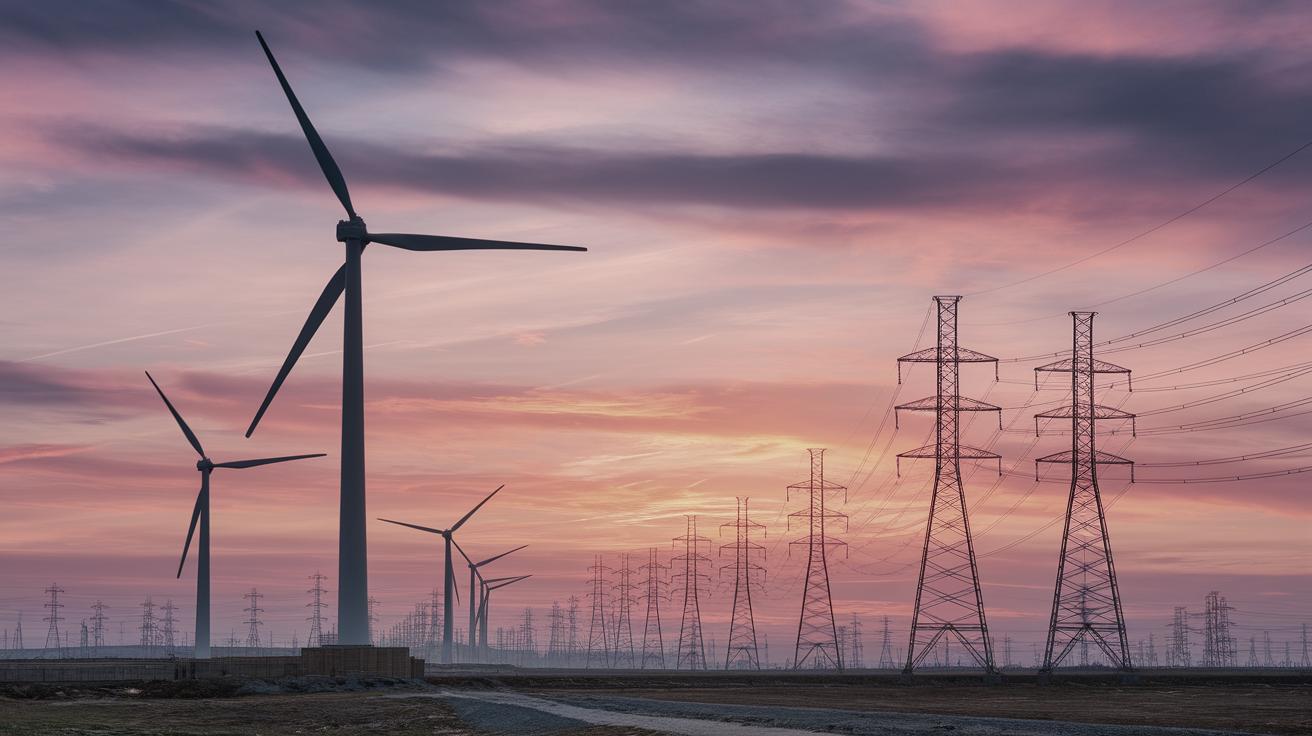
The incorporation of distributed energy resources (DERs) such as solar panels and wind turbines introduces routing complexity that can lead to instability within the smart grid. The traditional power grid’s infrastructure wasn’t designed for these decentralized sources, making effective management of electricity flows a new challenge that engineers must address.
Unstable routes can lead to inefficient energy distribution, higher losses, and increased operational costs. As grid managers work to improve integration of DERs, deploying advanced control systems and enhancing grid flexibility becomes essential to maintaining a dependable energy supply.
Solving Smart Grid Technology’s Challenges
More Smart Grid Investments to Solve the Funding Challenge
Addressing the funding challenge requires strategic investments and innovative financing models. Public-private partnerships can be invaluable in leveraging private sector expertise and capital, while governments can provide incentives to encourage smart grid technology adoption. Additionally, demonstrating the long-term economic benefits, such as reduced energy costs and increased grid reliability, can help secure necessary funding.
Increased investment in R&D is also critical for reducing costs over time. By advancing technology that lowers operational expenditures and improves energy efficiency, stakeholders can make a more persuasive case for smart grid deployment.
Alternatives to Scarce Resources
Developing alternatives to scarce resources is essential for sustainable smart grid expansion. Investing in research to find substitutes for critical materials can help alleviate supply constraints. For instance, exploring the use of more abundant materials or developing synthetic alternatives might offer a way to bypass resource scarcity issues.
Recycling and reusing existing materials can also contribute to reducing dependencies on newly mined resources. Advancing technologies in recycling processes will play a significant role, not only in the smart grid sector but across the wider technologies that depend on these resources.
Addressing Vulnerability to Cyberattacks
To combat the cyber threats facing smart grids, a multi-layered cybersecurity approach is necessary. Implementing advanced encryption technologies, developing robust authentication protocols, and ensuring continuous monitoring of grid activities are essential measures to protect against intrusions.
Furthermore, establishing international collaborations and standards for cybersecurity can help create a global framework for sharing intelligence and best practices, thereby enhancing the overall security posture of smart grid technology worldwide.
Proposed Route Instability Solutions
Mitigating route instability begins with advanced grid management systems that can monitor and control energy flow from multiple sources. Implementation of technologies like artificial intelligence and machine learning can predict demand patterns and optimize grid stability by dynamically managing energy distribution.
Additionally, grid operators need to invest in infrastructure upgrades that enhance adaptability and resilience. These efforts, in tandem with policy reforms that encourage distributed generation and the integration of renewable resources, can lead to a more stable and efficient smart grid network.
What Does the Future of Smart Grid Technology Hold?
The future of smart grid technology promises even greater advancements and wider adoption, fueled by technological innovations and an increasing emphasis on sustainable energy sources. As more renewable energy gets integrated, the smart grid will enable a greener and more resilient energy network, directly contributing to global climate goals.
Furthermore, with ongoing improvements in data analytics, artificial intelligence, and machine learning, the smart grid will become even more intelligent and responsive, resulting in enhanced grid reliability and customer experiences. These developments may also lower operational costs over time, making smart grid technology more accessible to developing regions.
Ultimately, while the challenges are significant, the prospects for smart grid technology are bright. Continued collaboration between governments, industry leaders, and research institutions will be pivotal in overcoming current barriers and ensuring that smart grid technology lives up to its transformative potential.
Next steps
| Challenge | Description | Potential Solutions |
|---|---|---|
| A Still-Recovering Global Economy | Limited budgets and competing priorities delaying investment in smart grid infrastructure. | Public-private partnerships and demonstrating long-term benefits. |
| Scarcity and Price Fluctuation of Resources | Dependence on critical materials like lithium and cobalt affecting cost and supply chains. | Explore alternative materials and improve recycling processes. |
| Vulnerability to Cyberattacks | Increased risk of grid disruptions due to cyber threats. | Multi-layered cybersecurity strategies and international collaborations. |
| Route Instability | Challenges in stable management with distributed energy resources. | Advanced grid management and infrastructure upgrades. |