How Power-to-Gas Technologies Function
Power-to-Gas (PtG) technologies represent a groundbreaking approach to energy storage and management, crucial in achieving sustainable energy goals. This blog post delves into the operation of PtG systems, their role in energy storage, and their implementation within Germany’s robust energy framework. We explore how Germany leverages its extensive gas network to support PtG technologies and examine successful commercial projects that showcase its practical application. Furthermore, we discuss strategic platforms that are enabling these technologies to flourish and align with national and global energy objectives. As we journey through each section, we gain insights into PtG’s potential to transform future energy landscapes.
Power-to-Gas: Energy Storage System of the Future?
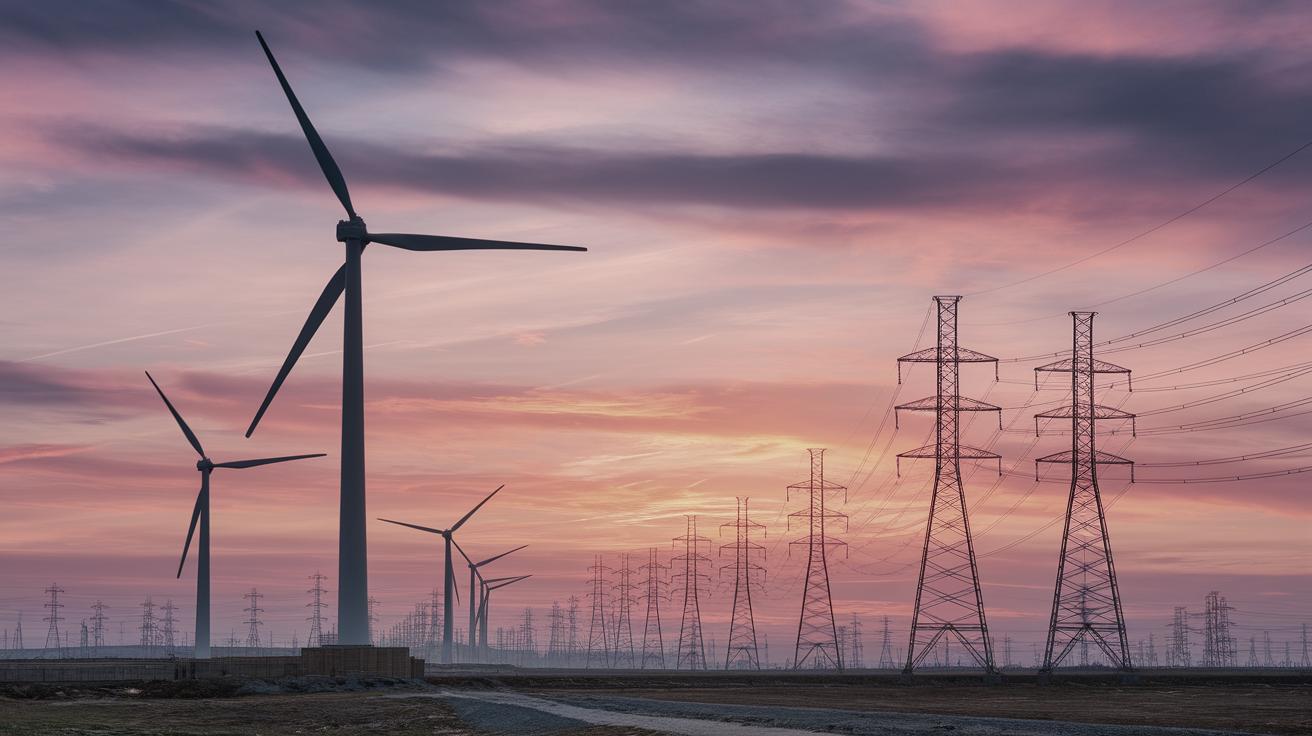
The concept of Power-to-Gas revolves around using electrical energy, particularly from renewable sources like wind or solar, to produce hydrogen or methane gas. This is achieved through processes such as electrolysis, where water is split into hydrogen and oxygen using electricity. The key benefit of PtG systems is their ability to store excess renewable energy, which might otherwise go to waste, in the form of chemical energy within gas.
Unlike conventional batteries, which have limited capacity and scope, PtG offers a vast and versatile storage solution. Stored hydrogen or methane can be injected into the existing natural gas grid, providing a flexible energy source that can be used for heating, industrial processes, or even as fuel in transportation. Therefore, PtG not only helps in reducing reliance on fossil fuels but also addresses intermittency challenges associated with renewable energy sources.
Germany’s Gas Network Infrastructure: The Advantage
Germany stands at the forefront in the adoption of PtG technologies, largely due to its extensive and highly developed gas network infrastructure. This existing infrastructure allows for seamless integration of hydrogen and other synthetic gases produced through PtG processes, without the need for significant new investment.
The German gas grid can accommodate the blend of hydrogen with natural gas, facilitating its distribution across the country. This advantage permits Germany to efficiently store and distribute renewable energy, supporting its ambitious goals of energy transition and carbon neutrality. Moreover, the extensive network reduces the logistics and infrastructural barriers to commercialization and widespread adoption of PtG.
Model Commercialization Projects in Germany
Several pilot and commercial projects in Germany demonstrate the feasibility and impact of PtG technologies. Projects like the Audi e-gas facility showcase how CO2-neutral fuel can be produced from wind energy using PtG. This facility enables the production of synthetic methane, which can directly replace conventional natural gas, highlighting the technology’s potential for reducing carbon footprints in transportation and heating sectors.
Moreover, collaborations between industrial giants and research institutions have led to innovative PtG developments. Such initiatives focus on scalability and economic viability, providing critical data and insights required for the broader application of PtG systems. These projects underscore Germany’s commitment to pioneering energy solutions that integrate PtG technologies into both private and public sectors.
Power-to-Gas Strategy Platform
The successful integration of PtG technologies into Germany’s energy landscape is bolstered by strategic platforms that promote research, development, and policy alignment. These platforms act as collaborative frameworks that bring together governmental bodies, academic institutions, and industry stakeholders to support PtG’s expansion.
One such platform, the “H2 Mobility” initiative, focuses on the establishment of a hydrogen economy, advocating for favorable regulatory environments, and promoting infrastructure advancements. These strategic collaborations ensure that PtG technologies align with national energy policies while fostering innovation and investment in new technologies that can be exported worldwide.
Lessons Learned
| Topic | Key Points |
|---|---|
| Power-to-Gas Technology | Converts electrical energy into hydrogen or methane to store renewable energy efficiently. |
| Germany’s Gas Network | Utilizes an extensive gas network to integrate and distribute PtG-produced gases nationwide. |
| Commercialization Projects | Examples include Audi e-gas facility, showcasing economic and environmental benefits of PtG. |
| Strategy Platform | Collaborative efforts to align PtG technologies with national energy policies and foster innovation. |